 By Caleb Morgan
Updated November 2026
Choosing among the types of landscape edging comes down to three things: how the border will be installed, how much movement the soil and lawn will put on it, and how sharp you want the final line to look. This guide compares six popular options across those criteria, covering flexible no-dig strips, corrugated metal, steel hammer-in borders, and plastic stake systems. Each pick is judged on ease of installation, how well it holds a curve, and how long owners typically report it keeps its shape.
Our top picks at a glance
- 1
 TOP CHOICEBest overallGardzen 40-Foot x 3-Inch Landscape Edging Garden Border with 40 SpikesView on Amazon
- 2
 TOP CHOICEBest for tall bedsCorrugated Metal Garden Edging, 6"×50' Sturdy Lawn Edging BorderView on Amazon
- 3
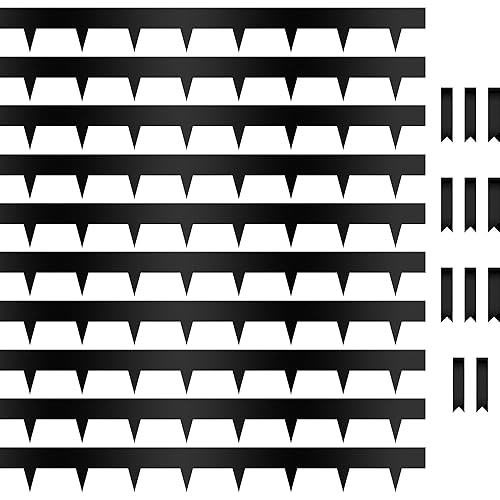 TOP CHOICEBest for curved lawn lines10-Pack 40" L x 4.5" H Black Galvanized Steel Bendable Hammer-in Edging BorderView on Amazon
- 4
 Best for large yards150 Steel Stakes Upgraded Reinforced Design Landscape Edging, 2 Inch 100 ftView on Amazon
- 5
 Best for a stone lookEasyFlex No-Dig Landscape Edging with Anchoring Spikes, Slate GrayView on Amazon
Our Top Picks
| Product | Best for | Key feature |
|---|---|---|
| Gardzen 40-Foot x 3-Inch Landscape Edging | Overall flexibility | Flexible, weather-resistant, 40 spikes |
| Corrugated Metal Garden Edging 6″ x 50′ | Tall beds | Corrugated steel, 6-inch height |
| WORTH Garden Galvanized Steel Edging | Curved lawn lines | Bendable steel, 11 clips per piece |
| 150-Stake Plastic Landscaping Border | Large yards | 100 ft coverage, reinforced stakes |
| EasyFlex No-Dig Landscape Edging | Stone-look borders | 2.7-inch stone appearance |
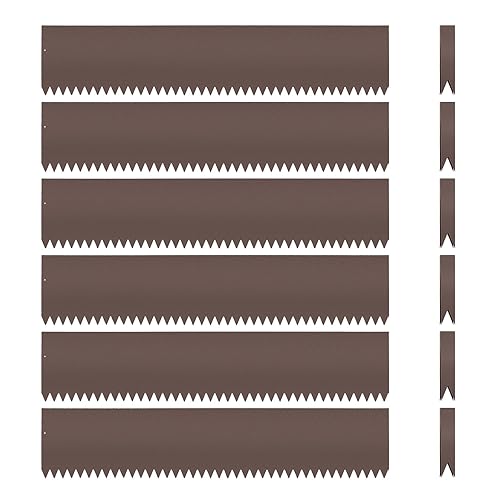
Gardzen 40-Foot x 3-Inch Landscape Edging Garden Border with 40 Spikes
No Dig Design for Flower Beds, Lawns & Pathways, Flexible Edging for Landscaping, Durable Weather-Resistant Material Gardzen 40-Foot x 3-Inch Landscape Edging Garden Border with 40 Spikes
Best for: Overall flexibility
This suits homeowners who want a no-dig border for flower beds, lawns, and pathways without heavy tools.
Pros
- Bends easily around curves and corners
- Comes with 40 spikes for anchoring
Cons
- Thin profile may need extra spikes on slopes
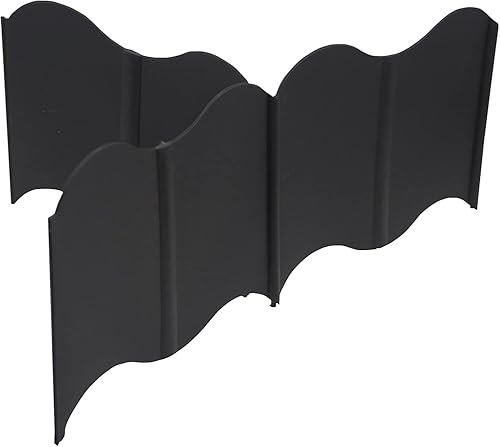
Corrugated Metal Garden Edging, 6″×50′ Sturdy Lawn Edging Border
Corrugated Metal Garden Edging,6"×50'Sturdy Lawn Edging Border,Landscape Edging Border for Lawn, Flower Bed,Garden and Yard(Brown with White)
Best for: Tall beds
Owners who want a firm barrier to hold mulch or raised soil often choose corrugated steel for its rigidity.
Pros
- Six-inch height holds back mulch and soil
- Corrugation adds stiffness along long runs
Cons
- Less suited to tight, small-radius curves
10-Pack 40″ L x 4.5″ H Black Galvanized Steel Bendable Hammer-in Edging Border
10-Pack 40" L x 4.5" H Black Galvanized Steel Bendable Hammer-in Edging Border with 11 Clips for Yard, Pathway, Flower Beds WORTH Garden 33 ft. Metal Landscape Edging, Lawn Edging for Landscaping
Best for: Curved lawn lines
This fits DIY installers who want a crisp, hammered-in steel line along lawns, paths, and flower beds.
Pros
- Bendable steel holds smooth curves
- Includes 11 clips per 40-inch section
Cons
- Requires a mallet and careful alignment
150 Steel Stakes Upgraded Reinforced Design Landscape Edging, 2 Inch 100 ft
150 Steel Stakes, Upgraded Reinforced Design, Durable Plastic Landscaping Border for Flower Beds, Lawn & Yard Landscape Edging, 2 Inch 100 ft Garden Border Edging
Best for: Large yards
Homeowners edging long property lines or many beds often find the 100-foot coverage and stake count practical.
Pros
- Covers 100 feet from a single package
- Reinforced stakes resist pushing out of soil
Cons
- Plastic may flex more than metal in hard clay
33ft. Galvanized Steel Landscape Edging (10-Pack) – 40″ Metal Edging

33ft. Galvanized Steel Landscape Edging (10-Pack) – 40" Metal Edging for Landscaping with 11 Stakes, Hammer-in Metal Landscaping Edging for Yard Pathway & Flower Beds – Lawn Edge for Garden Design
Best for: Clean metal lines in lawn areas
This is a good match for owners who want a galvanized, low-profile metal edge that stays out of the way of mowers.
Pros
- Galvanized finish resists rust in typical conditions
- Ten-pack gives a full 33 feet of border
Cons
- Sections need to be overlapped and clipped carefully
EasyFlex No-Dig Landscape Edging with Anchoring Spikes, Slate Gray
EasyFlex No-Dig Landscape Edging with Anchoring Spikes, 2.7 in Tall Decorative Stone-Look Garden Border, 15 Foot Kit, Slate Gray
Best for: Stone-look borders
Owners who want a decorative stone appearance without laying actual stone often pick this kit.
Pros
- Stone-look finish at 2.7 inches tall
- Includes anchoring spikes for a no-dig install
Cons
- A 15-foot kit may need extra sections for larger beds
Buying Guide
Installation Method
No-dig strips with spikes go down in minutes and suit lawns with soft soil. Metal and steel borders that you hammer in create a firmer edge but require a mallet and a level trench-free line.
Good picks for this: Gardzen 40-Foot x 3-Inch Landscape Edging, WORTH Garden Galvanized Steel Edging
FAQ
Which type of landscape edging is easiest to install?
Flexible no-dig strips and plastic stake systems are generally the simplest for most homeowners to install. They usually require only a shallow trench or none at all, and they can be bent into curves by hand. Metal options take a bit more effort but are still manageable with basic tools.
Do I need to dig a trench before installing edging?
Not always. No-dig edging is designed to sit on the surface or sit partially in the soil with anchoring spikes, which saves time. Traditional metal and steel edging typically benefits from a shallow trench so the top edge sits level with the lawn.
How do I keep curved borders looking smooth?
Mark the curve with a garden hose or rope before installing, then set your edging along that line. Use more stakes or spikes on tight curves so the border does not shift or flatten over time. Checking alignment after the first few weeks of settling will help you correct any drift early.
Which edging works best for raised or tall flower beds?
Taller, sturdier materials such as corrugated metal are often a good fit for raised beds because they resist soil pressure better than thin flexible strips. Make sure the edging is anchored deeply enough to hold back the weight of the soil. Choosing a height that matches the bed will also keep the final look balanced.
Can landscape edging stop grass from spreading into flower beds?
Edging can slow grass encroachment, but it works best when the top edge sits slightly above or level with the soil and is installed deep enough to block roots. Grass runners can sometimes find gaps, so periodic trimming along the border helps keep it clean. Tighter, well-anchored installations tend to perform better against spreading roots.
How long does landscape edging typically last?
Lifespan depends heavily on the material, climate, and how well the edging was installed. Weather-resistant plastics and galvanized steel generally hold up for many seasons, while thinner flexible products may need replacing sooner. Checking the border each spring and tightening or resetting any loose stakes will extend its life.
Conclusion
If you want a quick, low-effort border for beds and pathways, a flexible no-dig option or a plastic stake system is a practical choice. Homeowners with tall beds or a need for a crisp, long-lasting line should look at corrugated or galvanized steel edging, which handles soil pressure and weather well.
Match your pick to your installation comfort level and the demands of your site. A shallow-profile border suits lawns and paths, while sturdier metal suits raised or heavily used beds. Either way, a well-anchored border will keep your garden lines clean season after season.
Related reading
- 6 Best Different Types of Landscape Edgings for Clean Garden Borders
- Wooden Landscape Edging Ideas: 7 Designs for Clean Garden Borders
- Wood Landscape Timber Edging: A Step-by-Step Install Guide
About Caleb Morgan
Caleb Morgan is part of our editorial team and reviews and edits our lawn edging & trimming guides, checking product details against manufacturer specifications and owner feedback.