 By Lauren Holland
Updated November 2026
A lawn edger battery operated tool gives you crisp, clean lawn borders without the cord, the gas, or the fuss of a two-stroke engine. In this guide, you will learn how battery edgers work, how to match one to your yard, how to set it up and run it safely, and how to avoid the mistakes that leave ragged lines along your walks and beds. Whether you are shopping for your first cordless edger or trying to get more out of the one you already own, the steps below will help you get a clean, sharp edge every time.
What Is a Battery Operated Lawn Edger?
A battery operated lawn edger is a handheld or stick-style tool that spins a small blade or nylon line to trim grass along hard surfaces like sidewalks, driveways, curbs, and garden beds. Instead of plugging into an outlet or mixing fuel, it draws power from a rechargeable lithium-ion battery. That single change affects almost everything about how you use the tool, from where you can work to how much noise it makes.
Shopping for one? See our guide: 6 Best Battery Operated Lawn Edger Options for Clean Lines (2026).
Most battery edgers fall into two broad groups. Some are compact, dedicated edgers with a rotating steel blade that cuts a vertical or angled groove. Others are cordless trimmer heads that can be switched to edging mode by turning the head 90 degrees or fitting an edging guide. Both can produce clean results, but they behave differently, so it helps to know which style you are working with before you start.
Dedicated edgers versus trimmer-based edgers
- Dedicated edgers use a metal blade that slices grass at a fixed depth. They tend to leave a sharper, more defined line along concrete.
- Trimmer-based edgers use a spinning line or a tiny blade on the trimmer head. They are more versatile but usually need a bit more practice to keep the line straight.
How to Choose the Right Battery Operated Edger
Choosing a model comes down to the size of your lawn, the kinds of edges you need to cut, and how much you value run time versus weight. Manufacturers typically specify run times in terms of a particular battery capacity, so compare models using the same amp-hour rating when you can. A higher amp-hour battery lasts longer but adds weight, which matters if you are holding the tool at arm’s length for an hour.
Key factors to compare
| Factor | What to look for | Why it matters |
|---|---|---|
| Battery voltage | Higher voltage platforms (often 20V to 40V systems) | More voltage generally supports more torque when the blade meets thick, damp grass. |
| Amp-hour rating | 2.0 Ah for small yards, 4.0 Ah or higher for larger lawns | Determines how long you can edge on a single charge. |
| Blade or line type | Steel blade for crisp concrete lines; nylon line for flexible trimming | Blades give cleaner edges along hard surfaces; line handles uneven ground. |
| Weight | Lighter for longer sessions | Fatigue causes wobbly cuts, especially on curves. |
| Depth adjustment | Adjustable cutting depth | Lets you cut a shallow lip or a deeper groove depending on the bed. |
If you already own a battery platform for other tools, check whether an edger uses the same battery. Sharing batteries across a single brand reduces the number of chargers and spare packs you need to buy and keep track of.
Match the tool to your yard
A small front yard with a few walkways does not need the same setup as a half-acre lot with long driveway runs. For small areas, a lightweight dedicated edger with a 2.0 Ah battery is often enough. For larger properties, a trimmer-based system with a higher amp-hour battery and a quick-change head makes more sense. You can read more about the trade-offs in our comparison of Best Cordless Lawn Edgers: 5 Battery Edgers Compared, which walks through similar choices in more detail.
Setting Up Your Battery Edger
Before you cut anything, take a few minutes to set up the tool correctly. A misaligned guide or a dull blade will show up as a wavy line no matter how carefully you move.
Tools and supplies you will need
- A fully charged battery and its charger
- Safety glasses and hearing protection
- Work gloves with a good grip
- A flat-head screwdriver or the wrench supplied with the tool
- A string line or a length of garden hose to mark your intended edge
- A stiff brush or hand broom for clearing debris afterward
Step-by-step setup
- Charge the battery fully. Most lithium-ion packs take a few hours to charge. Let it cool to room temperature before inserting it if it feels warm from recent use.
- Inspect the blade or line. Make sure the blade is sharp and free of grass wrap. For nylon line, confirm it is wound to the correct length and seated in the spool.
- Set the cutting depth. Start shallow. Aim for about 1 inch of depth into the soil for a clean, defined edge. You can deepen it later if the lip needs more definition.
- Mark the line. Lay out a string or hose along the edge you want. This gives you a visual reference and helps keep the cut straight over long runs.
- Check the guard and handle. Confirm all guards are in place and the handle locks securely before you power on.
How to Edge With a Battery Operated Tool
Good edging is mostly about steady pace and consistent angle. Battery edgers do not have the raw power of a gas unit, so you work with the tool rather than forcing it through thick growth.
Step 1: Start on a dry lawn
Wet grass clumps and slides off the blade unevenly, which makes the line look ragged. Aim for a day when the lawn has dried after rain or morning dew. Trim tall growth with a mower or string trimmer first if the grass is more than a few inches high, then come back with the edger.
Step 2: Position your body and feet
Stand with your feet about shoulder-width apart and keep the tool next to the hard surface you are following. Let the blade ride against the edge of the walk or curb as a guide, rather than trying to steer by eye alone.
Step 3: Run the edger at a steady pace
Move forward slowly, roughly one step every second or two, and let the blade do the cutting. Pushing hard makes the motor bog and produces a jagged cut. On curves, slow down further and rotate your hips rather than your wrists so the blade stays square to the edge.
Step 4: Work in short passes on tough sections
Where the grass is thick or the soil is compacted, make two passes instead of one. The first pass removes the top growth, and the second pass deepens the groove to the depth you want.
Step 5: Clean up the debris
Once the edge is cut, sweep or blow the clippings off the walk and out of the groove. Leftover clippings trap moisture and make the line look untidy within a few days.
Maintenance That Keeps Edges Clean
A well-maintained battery edger stays sharp, runs longer, and holds its line better. Most of the work is simple.
- Remove grass wrap from the blade or spool after every session.
- Sharpen or replace the blade when it no longer slices cleanly. A dull blade tears grass instead of cutting it.
- Store the battery at room temperature and avoid leaving it on the charger for days at a time once it is full.
- Keep vents and the motor housing free of dust and grass.
- Check bolts and the guard periodically for looseness caused by vibration.
Common Mistakes
- Cutting too deep on the first pass. Deep cuts strain the motor and chew up the soil. Start shallow and adjust.
- Edging wet grass. Moisture makes the blade clog and the line look uneven.
- Ignoring the battery level. Running a nearly empty pack causes the motor to slow and the cut to wander. Swap in a charged battery before you start a long run.
- Skipping the guide line. Free-handing long straight runs almost always leads to a wavy edge.
- Forgetting safety gear. Flying debris can strike your eyes or legs. Always wear eye protection and closed-toe shoes.
Tips for a Crisp Edge Every Time
- Edge once a month during the growing season to prevent grass from creeping over the line.
- Use a half-moon edger or manual shears on very tight corners where a powered tool cannot reach.
- Keep a spare, fully charged battery nearby for larger properties.
- Mark straight runs with a string line before you start, especially along driveways.
- After edging, spread a thin layer of mulch or pull soil back against the lip to reinforce the border.
Recommended gear
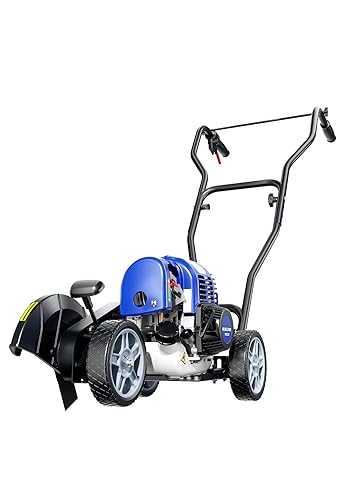
A dedicated cordless edger is the most direct upgrade for clean lines along concrete. Look for a model that matches the battery platform you already use so you can share packs.
- Cordless edger with steel blade: Gives the sharpest groove along sidewalks and driveways. View on Amazon
- Spare lithium-ion battery pack: Extends run time on larger lawns so you are not stopping mid-curve. View on Amazon
- Edging guide or string line kit: Helps you hold a straight line over long runs without relying on eyesight alone. View on Amazon
For a broader look at the options on the market, see 6 Best Battery Operated Lawn Edger Options for Clean Lines (2026). If you are weighing a trimmer-based setup, Lawn Trimmer vs Edger: Which Tool Gives You Cleaner Lawn Lines? explains how the two compare on a typical suburban lot.
FAQ
Is a battery operated lawn edger as powerful as a gas edger?
Not usually in raw torque, but a modern cordless edger handles most residential edging without trouble. Gas units still have an edge on very thick, neglected growth or large commercial jobs. For typical home lawns, a battery model is often enough.
How long does a battery edger run on one charge?
Run time depends on the amp-hour rating of the battery, the blade or line type, and how hard you push the tool. Manufacturers usually publish run times for their own packs, so check the spec sheet for the battery size you plan to buy. Plan on swapping in a second pack for larger yards.
Can I use the same battery for my string trimmer?
Yes, if the edger and trimmer belong to the same battery platform from one brand. Check the compatibility listing before you buy, since packs are not always interchangeable across brands.
How deep should I cut when edging?
Aim for about 1 inch of depth into the soil for a clean lip along most walks and beds. Start shallow and deepen the cut gradually so you do not strain the motor or dig up too much soil.
Why does my edge look wavy even when I use a guide?
Common causes include moving too fast, a dull blade, a low battery, or rotating your wrists instead of your hips on curves. Slow down, sharpen or replace the blade, and keep the battery charged.
Should I edge before or after mowing?
Most people edge after mowing so the clippings are easy to clear and the lines look sharp against freshly cut grass. If the grass is very tall, trim it first with a mower or string trimmer, then edge.
How often should I replace the blade on a battery edger?
There is no fixed schedule. Replace or sharpen the blade when it tears grass instead of slicing it, or when the cut quality drops noticeably. Heavy use on gritty soil wears blades faster.
Conclusion
A lawn edger battery operated tool can produce crisp, professional-looking borders with less noise and no cord or fuel to manage. Choose a model that suits your yard size, set the cutting depth carefully, and work at a steady pace with a guide line for long runs. Keep the blade sharp and the battery charged, and your edges will stay clean all season. For safety-related questions about power tools, consult the manufacturer’s manual or a qualified professional.
Related reading
- Kobalt 40-Volt 9-in Handheld Battery Lawn Edger Review (2026)
- Best Cordless Lawn Edgers: 5 Battery Edgers Compared
- 7 Best Battery-Powered Lawn Edgers for Clean Lines (2026)
- 7 Best Battery Power Lawn Edger Options for Clean Lawn Lines (2026)
- Worx WG896 Lawn Edger: Setup, Use and Edge-Cutting Tips
Ready to choose one?
About Lauren Holland
Lauren Holland is part of our editorial team and reviews and edits our lawn edging & trimming guides, checking product details against manufacturer specifications and owner feedback.