 By Lauren Holland
Updated November 2026
A dedicated lawn edger is the better choice if you want crisp, vertical edges along driveways, walkways and garden beds. A weed eater, also called a string trimmer, wins if you need one tool for edging, weeding and trimming around fences and trees. Most homeowners with a small-to-medium yard will be happier with a lawn edger for the edges alone, and a trimmer for everything else. Here is how the two compare.
| Criteria | Dedicated lawn edger | Weed eater (string trimmer) |
|---|---|---|
| Edge sharpness | Vertical, clean cut | Angled, can leave a ragged line |
| Speed on long edges | Faster along straight runs | Slower on straight edges |
| Versatility | Mostly edging | Edging, trimming, weeding |
| Reach under shrubs | Limited | Strong |
| Learning curve | Low | Moderate |
| Maintenance | Blade or wheel care | Line feed and head care |
Edge Quality: Lawn Edger Wins
A lawn edger uses a blade or rotating disc that cuts straight down into the soil, creating a sharp vertical wall between turf and bed. That wall keeps grass from creeping into mulch and gives the lawn a finished look. A weed eater spins a nylon line horizontally, so the cut tends to be a slightly angled shave. It works well for tidying, but the line can leave fringe that needs a second pass. For the cleanest lines, a dedicated edger is the clear winner.
Speed and Efficiency: Lawn Edger Wins on Long Runs
Along driveways and sidewalks, a lawn edger moves steadily in a straight path, and many owners find they finish a long run faster than with a trimmer. Curves slow both tools down. A weed eater is faster when you are switching between many small, irregular spots, because you do not have to change tools or reposition a separate edger. Overall, the edger is faster for linear edging and the trimmer is faster for scattered work.
Versatility: Weed Eater Wins
A string trimmer handles a wide range of jobs: cutting grass in tight corners, clearing weeds along fences, trimming around tree trunks and reaching under shrubs. A standard lawn edger does one job well but offers little else. If you want a single machine for most of your outdoor cleanup, a weed eater is the more practical purchase. Many people pair it with a dedicated edger, or use a weed eater edger attachment that converts the trimmer for edging.
Reach and Hard-to-Access Areas: Weed Eater Wins
The flexible shaft of a weed eater lets you work under railings, around posts and beneath low branches. Most lawn edgers have a fixed frame and a short reach, which makes tight spots awkward. If your edges run past obstacles, the trimmer will save time and effort. For open, straight borders, the edger stays easier to control.
Ease of Use: Lawn Edger Wins for Beginners
Lawn edgers are generally simpler to operate. You guide the wheel or blade along the edge and let the tool do the cutting, which many beginners find intuitive. Weed eaters require more technique, including holding the head at the correct angle, managing line feed and avoiding damage to bark and siding. Owners often report a short learning period before their trimmed edges look consistent.
Which Should You Choose?
- Choose a lawn edger if your main goal is sharp, straight edges along walkways, driveways and beds.
- Choose a weed eater if you need one tool for trimming, weeding and edging around obstacles.
- Choose both if you have a large property with many long edges and also need trimming around trees and fences.
- Choose a weed eater with an edger attachment if you want good versatility and clean edges without buying a separate machine.
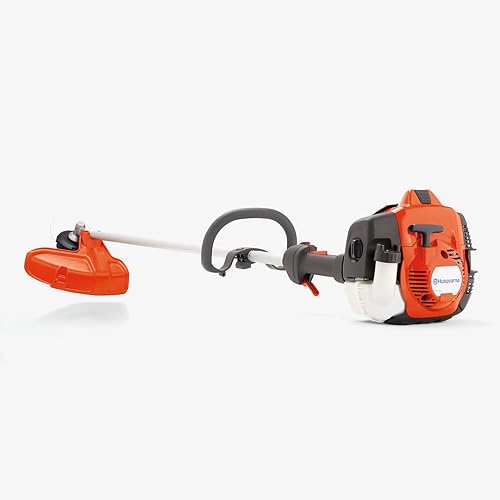
If you are deciding on a specific model, start with the type you need, then compare features. For a dedicated option, the View on Amazon is a common choice among homeowners. For a trimmer that can handle edging with the right attachment, look at the View on Amazon. Browse the 6 Best Edger Attachments for Weed Eater for Clean Lawn Edges (2026) guide to see how an attachment compares with a standalone edger. Readers weighing a cordless option may also find 5 Best Cordless Black & Decker Weed Eater Models for Home Lawns (2026) useful.
FAQ
Can a weed eater replace a lawn edger?
For occasional edging, yes, especially with an edger attachment. Those attachments turn the trimmer into a vertical edger. However, a dedicated edger usually produces a sharper, more consistent line on long runs.
Is a lawn edger harder to use than a weed eater?
Generally no. A lawn edger follows a straight path with less control required. A weed eater takes more practice to hold the right angle and keep the line from damaging surfaces.
Which tool is better for curved flower beds?
A weed eater handles curves more easily because you can change direction without repositioning a fixed frame. A lawn edger works best on straight or gently curving borders.
Do I need both tools for my yard?
Not always. Small yards with simple edges can be handled by one tool. Larger properties with many straight borders and tight obstacles often benefit from owning both.
How do I keep edges clean with either tool?
Work at a steady pace, keep the blade or line at the correct depth, and make a second pass along any fringe. Sharpen or replace blades and check line length regularly. Consult the manufacturer’s manual for model-specific guidance.
Conclusion
For clean, vertical edges along straight paths, a dedicated lawn edger is the better tool. For versatility, reach and handling many small jobs, a weed eater is more useful. Many owners get the best results by choosing a weed eater with an edging attachment for convenience, or by owning both if the property is large. Match the tool to the job you do most, and your lawn will look tidy with less effort.
Before you buy: helpful guides
Related reading
About Lauren Holland
Lauren Holland is part of our editorial team and reviews and edits our lawn edging & trimming guides, checking product details against manufacturer specifications and owner feedback.