 By Lauren Holland
Updated November 2026
A string trimmer gas vs electric comparison comes down to four things: how big your yard is, how tough your vegetation gets, how much maintenance you’re willing to do, and where you’ll be plugging in or refueling. This guide walks you through each factor so you can choose the right type and know what to expect from it.
Start With Your Yard Size and Power Needs
Yard size is the first filter. Electric string trimmers, whether corded or cordless, suit small to medium lawns and light to moderate growth, such as regular grass along fence lines and around landscape beds. Gas trimmers are built for larger properties, thick weeds, brush and tall grass that would bog down a lighter motor.
Shopping for one? See our guide: Top 7 Lawn Edger String Trimmer Combos for Clean Lines (2026).
If your yard has dense clumps of overgrown grass or you regularly cut near woody stems, a gas engine usually holds up better under load. For a typical suburban lot with a few hundred square feet of edging and trimming, an electric model often has more than enough cutting capacity.
Compare Maintenance, Fuel and Starting
Gas trimmers need a fuel mix (typically a 2-stroke oil and gasoline blend, following the manufacturer’s ratio), spark plug checks, air filter cleaning and periodic carburetor attention. They can be hard to start after sitting, and fuel left in the tank can go stale within weeks.
Electric trimmers skip the fuel system entirely. You start them with a switch, keep the motor clean, and check the cutting line and guard. The tradeoff is runtime: corded models are limited by cord length, and battery models are limited by charge. Manufacturers typically specify runtime per charge, so match that figure to the largest single session you expect. Gas vs Electric Lawn Mowers goes further into this.
Weigh Noise, Emissions and Portability
Electric trimmers are noticeably quieter and produce no exhaust, which makes them easier to use early in the morning or in a neighborhood with noise limits. They’re also lighter in most cases, which helps on long edging sessions. Gas models are louder and heavier but do not depend on an outlet or a battery charge, so they handle large, unbroken work better.
Choosing Between Gas and Electric for Edging
For clean edges along walkways and driveways, the bigger factor is control, not engine type. Both types can produce a crisp line when the head is kept level and the cutting line stays at the right length. Lighter electric models often feel easier to steer along a straight edge, while a gas model’s extra torque helps when you hit thick growth at the lawn border. Pair your choice with the right technique by reading Using a String Trimmer for Lawn Edges Safely before you start.
Quick Decision Checklist
- Measure your lawn and list areas that need trimming.
- Note the heaviest growth you deal with (fine grass, tall weeds, or brush).
- Decide whether you can accept a fuel-mix routine or prefer a plug-in or charge-and-go setup.
- Check noise rules and time-of-day limits in your area.
- Confirm the runtime or cord reach covers your longest session.
Gas vs Electric at a Glance
| Factor | Gas | Electric |
|---|---|---|
| Best for | Large yards, thick weeds | Small to medium yards, routine trimming |
| Maintenance | Fuel mix, spark plug, air filter | Line, guard and motor cleaning |
| Noise and exhaust | Louder, produces exhaust | Quieter, no exhaust |
| Limits | Fuel supply | Cord reach or battery runtime |
Common Mistakes to Avoid
- Buying a gas trimmer for a small yard, then never using its full power.
- Storing gas-powered trimmers with old fuel in the tank.
- Ignoring runtime limits on battery models during long edging jobs.
- Running a corded trimmer without checking the cord route for trip hazards.
- Using a trimmer with a worn or undersized cutting line, which slows cutting and strains the motor.
Recommended gear
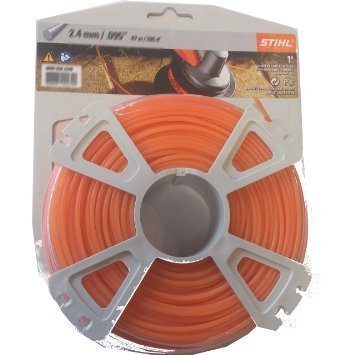
A sturdy string trimmer line matched to your model keeps edges clean and reduces motor strain. Look for the diameter the manufacturer specifies. View on Amazon
A cordless or corded electric string trimmer is a good starting point if your yard is small to medium and you want low maintenance. View on Amazon
A gas string trimmer suits larger properties with thick growth and no outlet nearby. View on Amazon
FAQ
Is an electric string trimmer strong enough for thick weeds?
Electric models handle grass and light weeds well, but thick, woody growth can overload them. For heavy brush, a gas trimmer is usually the better match.
Are gas string trimmers hard to maintain?
They need regular fuel-mix attention, air filter cleaning and occasional spark plug checks. Following the manufacturer’s maintenance schedule keeps starting reliable.
Which type is better for edging along driveways?
Both work well with a level head and a properly sized cutting line. Lighter electric models are often easier to control along straight edges.
Conclusion
For most small to medium yards, an electric string trimmer offers quiet, low-maintenance trimming. Choose gas if your property is large or your growth is thick and you’re comfortable with fuel and upkeep. Match the tool to your yard, and your edges will look clean either way.
Related reading
- Lawn Edger vs String Trimmer: Which Gives Cleaner Lawn Edges?
- Gas String Trimmer Clearance: A Practical Guide (2026)
Ready to choose one?
About Lauren Holland
Lauren Holland is part of our editorial team and reviews and edits our lawn edging & trimming guides, checking product details against manufacturer specifications and owner feedback.