 By Lauren Holland
Updated November 2026
A lawn trimmer and a lawn edger both cut grass, but they are built to do different jobs. A trimmer, usually a string trimmer, clears grass and weeds at the base of fences, posts and around obstacles. An edger, which can be a powered or manual tool, cuts a clean, vertical or near-vertical groove along sidewalks, driveways and garden beds. This guide explains how each tool works, where each one fits, and how to choose the right one, or decide when you need both.
Lawn Trimmer vs Edger: The Core Difference
The simplest way to frame the lawn edger vs trimmer question is by the cut each one makes. A string trimmer spins a line (or a small blade) horizontally, so it cuts grass at whatever height you hold it and sweeps around obstacles. An edger cuts into the soil at a defined angle, creating a crisp boundary between turf and hard surfaces or planting beds. In other words, a trimmer tidies the grass; an edger defines the line.
Shopping for one? See our guide: John Deere 3 Lawn Edger vs Typical Walk-Behind Edger: Which Should You Choose?.
Many shoppers search for a trimmer vs edger lawn comparison because they assume one tool can do both. Some combination units exist, but the cutting action and the way you control them are different enough that most people end up with one of each, or a dedicated tool for the job that matters most to them.
How a String Trimmer Works
A string trimmer uses a rapidly spinning nylon line, or in some models a metal blade, to cut vegetation. The head is typically held at roughly waist height and moved side to side at the base of the grass. Trimmers are the right choice for:
- Grass and weeds along fence lines, retaining walls and tree trunks
- Tall or uneven areas that a mower cannot reach
- Rough grass near landscape timbers, mailboxes and light poles
- General tidying between mowings
Because the line flicks at the grass rather than slicing into soil, a trimmer will not create a sharp edge. It will leave a slightly ragged, rounded line, which is acceptable for many yards but not for a formal look. Keep the head parallel to the ground and avoid pressing it into soil, or you will throw debris and wear the line quickly. For more on safe technique, see Using a String Trimmer for Lawn Edges Safely.
How a Lawn Edger Works
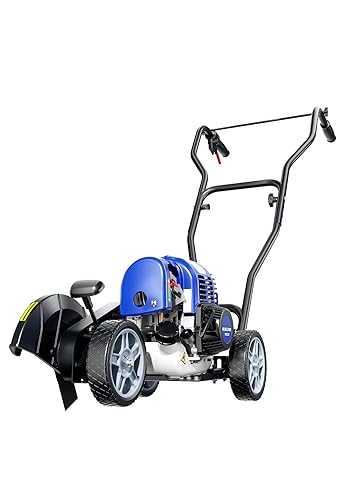
An edger cuts a defined trench along the border between turf and another surface. Powered edgers use a rotating blade, typically a disc or a set of blades, that digs into the soil to a set depth. Manual edgers, including half-moon and rotary models, use a blade you push into the ground with your foot or a handle, then lift out a strip of sod.
Edgers are best for:
- Sidewalks, driveways and patios where you want a vertical wall of soil
- Garden beds and borders that need a clean, raised separation
- Curved or straight lines that define a lawn shape
- Maintaining a crisp finish through the season
Edgers create the sharp line that trimmers cannot. They work best on soil that is moist but not waterlogged, and they need to be run more often than a trimmer to keep borders from creeping back over the hard surface. If you are weighing options within the category, Lawn Edging Tools: Manual Edgers, Power Edgers, Trimmers covers the main types side by side.
Lawn Edger vs Trimmer: Key Factors to Compare
When you compare a lawn edger vs trimmer, these are the factors that matter most:
- Cut style: Trimmers sweep and fray; edgers slice and define.
- Edge quality: Edgers give a crisp vertical line. Trimmers give a softer, feathered one.
- Reach around obstacles: Trimmers win for fences, posts and irregular areas.
- Surface contact: Edgers cut into soil, so they need the blade to stay at a consistent depth. Trimmers should stay above the surface.
- Frequency: Edges need attention every two to four weeks in an active growing season. Trimming is usually needed as grass grows between mowings.
- Power source: Electric, battery and gas models exist for both categories. Choose based on the size of your yard and how far you need to run cords or carry fuel.
Comparison Table: Trimmer vs Edger
| Feature | String Trimmer | Lawn Edger |
|---|---|---|
| Main job | Clearing grass and weeds | Defining a clean border |
| Edge result | Soft, feathered | Crisp, vertical |
| Cutting action | Line or blade spinning horizontally | Blade cutting into soil |
| Best locations | Fences, posts, rough areas | Walks, drives, beds |
| Works on uneven ground | Yes | Limited |
| Typical maintenance interval | As grass grows | Every two to four weeks |
Step-by-Step: Choosing the Right Tool for Your Yard
Step 1: Map Your Problem Areas
Walk the yard and mark where grass is untidy. Note which areas are straight borders (walks, driveways) and which are irregular (fences, trees, mailboxes). Straight borders point toward an edger. Irregular obstacles point toward a trimmer.
Step 2: Decide What “Clean” Means to You
If you want a sharp boundary that looks like a professionally maintained lawn, you need an edger. If a neat, slightly soft line is enough, a trimmer will cover most of your needs.
Step 3: Consider Your Yard Size
Small yards with a few hard borders may be served well by a manual edger. Larger properties with long walks and beds usually benefit from a powered edger, with a trimmer for the leftover grass.
Step 4: Check Your Power Options
Match the tool to your power access. Corded models suit smaller areas near an outlet. Battery models give freedom but need charging between sessions. Gas models offer runtime for large properties but add maintenance.
Step 5: Decide Whether You Need Both
Most yards benefit from having both tools. A trimmer handles the bulk of irregular grass, and an edger keeps the borders sharp. If you are short on space or budget, a combination unit is an option, though you may compromise on edge quality. For combo options, see 5 Best Lawn Trimmer Edger Combo Models of 2026.
Practical Checklist Before You Start
- Clear the area of toys, stones and debris
- Check that the soil is moist, not soaked or rock hard
- Wear eye protection, sturdy footwear and hearing protection for powered tools
- Confirm the blade or line is sharp and correctly installed
- Set the edger depth to about 1 to 2 inches for a clean wall
- Keep the trimmer head parallel to the ground at the base of the grass
Common Mistakes
- Using a trimmer to create a sharp edge. It will never produce a true vertical line, so you will end up frustrated.
- Edging dry, hard soil. The blade bounces and leaves a ragged cut. Water the area the day before.
- Letting edges go too long. Grass creeps over the border, and cutting it back later creates a deeper trench than necessary.
- Angling the trimmer into the soil. This wears the line fast and kicks up dirt and stones.
- Skipping safety gear. Thrown debris is the most common injury with both tools.
Tips for Clean Results
- Edge after mowing, when the grass is at its shortest and easiest to cut cleanly.
- Work in a steady pace, keeping the blade at a consistent depth.
- Use the trimmer for the grass left behind after edging, not as a substitute for it.
- Keep blades sharp and replace worn trimmer line regularly. For edger blades, see Blade for Lawn Edger: How to Choose, Fit and Replace It for Clean Edges.
- Clean debris from the tool after each use to prevent buildup that affects performance.
Recommended gear
A string trimmer is the right starting point if you need general grass control. Look for a model with a clear cutting head guard and easy line feed. View on Amazon
A dedicated powered edger gives the clean line that a trimmer cannot. Choose one with an adjustable depth setting and a guard that protects your feet. View on Amazon
A manual half-moon edger suits small borders and gives you full control over the depth of each cut, with no power source needed. View on Amazon
Protective eyewear is essential when using either tool, since debris can fly toward your face. View on Amazon
FAQ
Can a string trimmer replace a lawn edger?
Not fully. A trimmer can tidy grass near borders, but it cannot cut the vertical, defined line that an edger produces. For a clean edge, you need an edger.
How often should I edge my lawn?
During active growing seasons, most lawns benefit from edging every two to four weeks. Dry or slow-growing periods may need less frequent attention.
Is a combination trimmer and edger worth it?
For small yards or occasional use, a combo unit can be a practical choice. Owners often report that edge quality is good enough for casual use but may not match a dedicated edger for crisp results.
What depth should an edger cut?
A depth of about 1 to 2 inches is typical for a clean wall between turf and a hard surface. Adjust based on the height of the surrounding grade and the look you want.
Should I use a trimmer or edger on sidewalks?
An edger is the better choice for sidewalks and driveways because it cuts a clean, straight line along the edge. A trimmer is useful for the grass that grows near posts and fences next to the walk.
Why does my edger keep bouncing?
Bouncing usually means the soil is too hard or the blade is dull. Water the area a day in advance, check the blade condition, and make sure you are holding the tool at the correct angle.
Do I need both tools for a small yard?
Not always. If your yard has few obstacles and mostly straight borders, an edger alone may be enough. If you have fences and posts, a trimmer will likely be useful too.
Is trimming or edging more dangerous?
Both carry risks, mainly from flying debris and contact with the cutting element. Wear eye protection, keep bystanders at a safe distance, and follow the manufacturer’s safety instructions for your specific model.
Conclusion
A lawn trimmer and a lawn edger solve different problems. The trimmer clears grass and weeds in tight, irregular spots, while the edger cuts the crisp boundary that makes a lawn look finished. Compare your yard’s obstacles and border shapes, then decide which tool fits your needs or whether you should have both. With the right tool and a steady routine, clean lines are straightforward to maintain.
Related reading
Ready to choose one?
About Lauren Holland
Lauren Holland is part of our editorial team and reviews and edits our lawn edging & trimming guides, checking product details against manufacturer specifications and owner feedback.