 By Lauren Holland
Updated November 2026
Bolens BL110 string trimmer parts are easiest to find when you start with the model number, the engine or motor type, and the specific part you need to replace. This guide walks you through identifying your unit, locating the right components, checking fit before you buy, and installing common replacements so your trimmer cuts cleanly again. Because older lawn equipment is often sold in multiple configurations, a few minutes of careful identification will save you from ordering the wrong piece.
Start by Identifying Your Bolens BL110
Before you search for any part, confirm exactly which unit you own. Model designations on outdoor power equipment are sometimes printed on a decal near the shaft, on the engine housing, or on a data plate. Write down the full model number, along with any serial number, because replacement parts are often matched to a production range rather than the model name alone.
Shopping for one? See our guide: 3 Best Black & Decker String Trimmer Parts for Easy Repairs (2026).
Where to Look for the Model Number
- The decal or label on the drive shaft or handle tube
- The plate on the engine shroud or motor housing
- The original owner’s manual or warranty card
- The parts diagram in the service manual, if you can find one
Note the Power Type
Confirm whether your unit is gas-powered or electric. Engine-driven and electric trimmers share some hardware, such as the cutting head and guard, but they differ in drive components, starter assemblies, fuel system parts, and shaft fittings. Ordering a part designed for the wrong power type is one of the most common reasons replacements do not fit.
Common Bolens BL110 String Trimmer Parts You Might Need
Most owners end up replacing a handful of wear items rather than the whole machine. The table below lists the parts that typically need attention and what to check for when you order.
| Part | Typical Sign It Needs Replacing | What to Check Before Buying |
|---|---|---|
| Cutting head and spool | Line won’t feed, spool cracked, housing worn | Shaft diameter and bump-feed or manual-feed style |
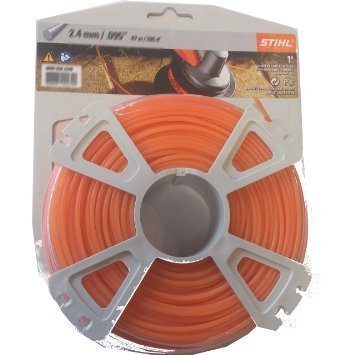
| Cutting line | Frayed, short, or broken at the eyelet | Line diameter stamped on the spool or housing |
| Guard or deflector | Cracked, bent, or missing | Mounting screw spacing and guard curvature |
| Drive shaft | Bent, kinked, or rattling at the gearbox | Shaft length and coupling type |
| Handle and grip | Loose, cracked, or vibrating excessively | Mounting bracket style and hardware size |
| Spark plug or air filter (gas) | Hard starting, rough idle, poor power | Engine displacement and plug thread size |
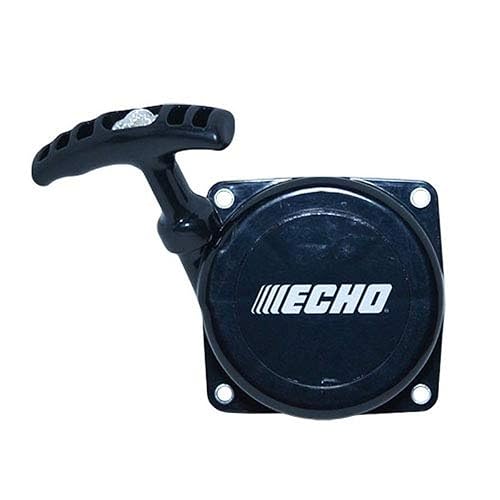
| Starter rope or recoil assembly (gas) | Rope frays, pulls freely, or won’t retract | Engine model and pulley diameter |
How to Match a Replacement Part Correctly
Matching a part is mostly a measuring and comparing exercise. Take a few readings from the original component before you order anything, and compare them to the specifications listed in the product description.
Step 1: Remove the Old Part Carefully
- Disconnect the spark plug wire (gas) or remove the battery (electric).
- Lay the trimmer on a flat surface and support the head and shaft.
- Photograph each part before removing it so you can reassemble accurately.
- Keep fasteners in a labeled container, since bolts on the guard and shaft are often different lengths.
Step 2: Measure Key Dimensions
- Shaft diameter: Measure the outside diameter of the drive shaft at its widest point.
- Mounting hole spacing: Measure center-to-center distance between guard or handle screw holes.
- Line diameter: Check the stamped size on the old spool or the line packaging.
- Thread size: For spark plugs and fittings, note the diameter and pitch.
Step 3: Cross-Reference Before Ordering
Compare your measurements and model number against the product listing. Many aftermarket parts are sold as fitting several brands, so confirm the compatibility list rather than assuming. If the listing does not clearly state the Bolens BL110 or its equivalent, check the official parts diagram or contact a qualified small-engine dealer for a confirmed match.
Replacing Common Components Step by Step
Replacing the Cutting Line or Spool
Line replacement is the most frequent repair. Wind new line in the direction printed on the spool, usually indicated by an arrow. Most spools take between 15 and 25 feet of line depending on diameter, and the manufacturer’s specification is the safest guide for loading. Route the ends through the eyelets, then pull out a short length to engage the bump-feed mechanism.
Replacing the Guard
- Remove the mounting screws and slide the old guard off the housing.
- Align the new guard so the screw holes match the housing exactly.
- Hand-tighten the screws first, then snug them with a driver. Do not overtighten plastic threads.
Replacing the Starter Rope (Gas Models)
Recoil springs store tension, so use caution during this job. Wear eye protection, release tension slowly, and keep your hands clear of the housing when the spring unwinds. Use a rope of the diameter specified for your engine. If the spring is broken, a replacement recoil assembly is often more practical than repairing the spring.
Common Mistakes to Avoid
- Ordering by model name only. Production changes can alter shaft sizes and mounting patterns within the same model name.
- Using the wrong line diameter. Heavier line can overload the motor or engine and reduce cutting efficiency.
- Ignoring the power type. Electric and gas components are not interchangeable.
- Skipping the disconnect step. Always disconnect the spark plug wire or remove the battery before working on the cutting head.
- Overtightening plastic fasteners. Stripped threads turn a simple swap into a larger repair.
- Reusing a worn drive shaft. A bent or kinked shaft causes vibration that damages bearings over time.
Tips for Longer Trimmer Life
- Clean the cutting head and air intake after every few uses to prevent grass buildup.
- Store the line in a dry place, since moisture makes it brittle.
- Keep the guard in place during operation to protect the head and reduce debris.
- Check bolts and fasteners monthly, because vibration loosens them over time.
- For gas units, replace the fuel and air filter on the schedule listed in the owner’s manual.
If you are planning a larger edging project alongside these repairs, it helps to understand how a trimmer compares with a dedicated tool. The guide on Lawn Edger vs String Trimmer: Which Gives Cleaner Lawn Edges? explains where each one performs best, and Using a String Trimmer for Lawn Edges Safely covers technique and safety while you work along walkways and beds.
Parts for other brands follow similar identification steps. If you are comparing options, the overview of Toro String Trimmer Parts: How to Identify and Replace the Right Ones and Echo String Trimmer Parts: How to Identify and Replace the Right Ones shows how manufacturers typically label and organize their components. For line questions specifically, String Trimmer Line Black and Decker: A Practical Guide (2026) offers a useful reference on sizing and loading.
Recommended gear
A few basic items make parts replacement faster and safer. None are strictly required, but each one solves a specific problem owners run into.
- Digital caliper: Measuring shaft diameter and mounting spacing precisely removes most guesswork when matching parts. View on Amazon
- Socket and nut driver set: A set with metric and SAE sizes covers the guard screws, handle brackets, and shaft fasteners most trimmers use. View on Amazon
- Spark plug socket with ratchet: For gas models, a dedicated socket prevents cracked porcelain when removing and reinstalling the plug. View on Amazon
- Replacement trimmer line in the correct diameter: Keeping a spare spool on hand means a line change takes minutes instead of a trip to the store. View on Amazon
FAQ
How do I find the exact part number for my Bolens BL110?
Start with the model and serial number on the decal or data plate. Then check the parts diagram in the owner’s manual or a service manual for your unit. Matching the diagram item to your physical part gives you the most reliable reference.
Can I use parts from other trimmer brands on a Bolens BL110?
Some components, such as trimmer line and certain universal guards, may fit across brands if the dimensions match. Shafts, drive couplings, and engine parts are more brand-specific, so always compare measurements before installing anything.
What size trimmer line should I use?
Use the diameter stamped on the spool or listed in the owner’s manual. Heavier line than recommended can strain the motor or engine, and thinner line may not cut tough grass effectively.
Why does my trimmer head keep losing line?
Common causes include a worn or damaged spool, incorrect line length, or a cracked bump-feed mechanism. Check that the line is wound evenly and that the spool housing is intact. Replacing the spool often resolves the problem.
How do I know if the drive shaft is bad?
Look for visible bends, kinks, or cracks, and listen for rattling or grinding near the gearbox. Excessive vibration during operation is another sign. Roll the shaft on a flat surface to check for warping.
Is it safe to replace parts myself?
Many routine replacements, such as line, guards, and spark plugs, are manageable for owners who follow safety steps. For recoil springs, internal engine work, or electrical components, consider consulting a qualified small-engine technician.
Where can I confirm that a part fits my unit?
Check the compatibility section of the product listing, the owner’s manual, or the parts diagram. If the fit is still unclear, a small-engine dealer or the manufacturer’s customer support can help confirm the correct part before you buy.
Conclusion
Finding the right Bolens BL110 string trimmer parts comes down to identifying your exact model, measuring the original component, and cross-checking compatibility before ordering. Most repairs, from line changes to guard swaps, can be completed with basic hand tools and careful attention to detail. Keep your model information handy, and your next trimmer repair should go smoothly.
Ready to choose one?
About Lauren Holland
Lauren Holland is part of our editorial team and reviews and edits our lawn edging & trimming guides, checking product details against manufacturer specifications and owner feedback.