 By Lauren Holland
Updated November 2026
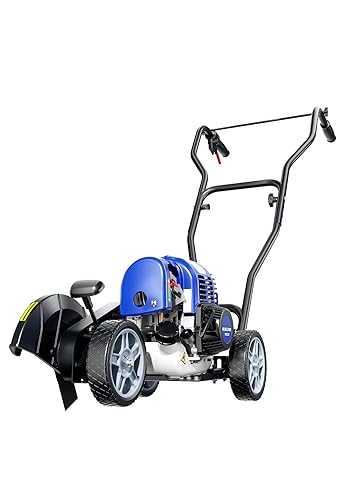
The Echo PE 225 gas lawn edger is a lightweight, two-cycle powered edger built to cut clean vertical edges along walks, driveways, flower beds, and garden borders. This guide walks you through assembling and starting the Echo PE 225 gas lawn edger, setting the cutting depth and angle, making straight and curved passes, and keeping the machine running well over time. Follow the steps in order and you should finish with crisp, consistent edges and fewer restarts.
What the Echo PE 225 Is Built For
The PE-225 is a compact gas edger that uses a spinning steel blade to slice through turf and soil at the boundary between lawn and hardscape. Its main job is vertical edging rather than trimming tall weeds or grass in open areas. Manufacturers generally position this type of machine for homeowners with moderate edging lengths who want more cutting power than a battery or electric unit provides, without the bulk of a walk-behind model.
Shopping for one? See our guide: 6 Best Gas Edgers for Lawn Options for Clean Edges (2026).
Before you start, check that the machine matches your job. A gas edger is a good fit for long runs of sidewalk, curbs, and bed borders in mixed or heavy turf. If you only have a few short sections to clean up, a lighter tool may be less tiring. For a broader comparison of power options, see Power Lawn Edgers: Setup, Safe Use and Care.
Tools and Supplies You Need
Gather these items before you assemble or start the machine:
- Fresh two-cycle engine mix at the ratio listed in your owner’s manual
- A clean fuel container and a funnel
- Eye and hearing protection
- Gloves with a good grip
- Sturdy closed-toe boots
- Spark plug wrench and a spare spark plug, if your manual recommends one
- Blade wrench or the wrench supplied with the tool
- A straight board or string line for guiding long edges
- A rag and a small wire brush for cleaning the air filter and cooling fins
Step 1: Read the Manual and Check the Machine
Every Echo model has its own specifications, so confirm details such as fuel ratio, spark plug gap, and blade bolt torque against the manual printed for your unit. Owners often report that the most frequent startup problem is incorrect fuel mix, so verify this before anything else.
Inspect before first use
- Look for loose fasteners on the handle, shaft, and guard.
- Confirm the blade is sharp, undamaged, and seated correctly on its arbor.
- Check that the blade guard is secure and not bent.
- Inspect the air filter. If it is dirty or oily, clean or replace it.
- Make sure the fuel cap seals tightly and the fuel line shows no cracks.
Step 2: Mix and Add Fuel Correctly
Two-cycle engines run on a premixed blend of gasoline and two-cycle oil. Use fresh unleaded gasoline rated at or above the minimum octane in your manual, and mix it with a quality two-cycle oil at the specified ratio. Mix only what you can use within about 30 days, because stale fuel is a leading cause of hard starting and rough running.
Mixing a standard batch
- Pour about half the gasoline into a clean approved container.
- Add the full amount of two-cycle oil for your planned batch.
- Add the remaining gasoline and shake gently to combine.
- Label the container with the date and mix ratio.
Fill the tank slowly with a funnel, leaving a little room for expansion, and wipe up any spills before starting. Never refuel a hot engine.
Step 3: Start the Echo PE-225 Safely
Starting procedures vary slightly by model year, so compare these steps with the manual. In general, the sequence looks like this:
- Place the edger on flat, clear ground, away from grass clippings, mulch, and your feet.
- Set the choke to the start position if your model has one.
- Press the primer bulb several times until fuel fills it.
- Hold the machine firmly with one hand on the rear handle and the other on the front grip, keeping the blade pointed away from your body.
- Pull the starter cord with a smooth, steady stroke. Do not allow the cord to snap back uncontrolled.
- After the engine starts, move the choke to run and let the engine warm briefly before engaging the cutting head.
If the engine floods, set the choke to off or run, pull the cord several more times with the throttle open, and try again. Repeated flooding usually means too much primer or a plug that needs cleaning.
Step 4: Set the Cutting Depth and Blade Angle
Cutting depth controls how deep the blade plunges into the soil and how sharp the finished edge looks. Most homeowners get the best results with a shallow cut of roughly 1 to 2 inches, which removes the grass root line without digging out excessive soil. In very dense or compacted turf, you may need one pass at shallow depth and a second pass slightly deeper.
Keep the blade vertical or at a slight angle toward the lawn, and aim to cut the grass edge straight down rather than sloping it outward. A clean vertical wall produces the crispest look along hardscape.
Step 5: Make Straight and Curved Passes
Good edging depends on steady movement and a consistent line. Use these methods:
Straight edges
- Mark a guide line with spray paint or lay down a straight board against the hardscape.
- Stand beside the line, not behind the blade, so you can see the blade path clearly.
- Walk at a steady pace and let the machine do the cutting. Do not force it forward.
- Overlap the start point slightly to avoid a gap at the beginning of each pass.
Curved beds and corners
- Work in short sections, about 2 to 3 feet at a time.
- Pivot the machine rather than dragging it sideways, which can bend the shaft or throw the blade off line.
- Use a garden hose laid on the ground as a template for smooth curves.
Step 6: Stop, Clean Up, and Store
Shut the engine off using the stop switch and let the blade stop completely before setting the machine down. Sweep or rake the loosened grass and soil from the walk and border, and rinse the walk if needed. Let the engine cool before storage.
Maintenance Schedule
Regular care keeps the Echo PE-225 starting quickly and cutting cleanly. The table below outlines a general schedule. Always follow your manual’s specific intervals.
| Task | How Often | Notes |
|---|---|---|
| Clean air filter | Every 5 to 10 hours of use | Replace if oily or torn |
| Check spark plug | Every 25 hours or each season | Look for fouling and check gap |
| Sharpen or replace blade | When edges tear or cutting slows | Remove nicks and balance the blade |
| Inspect fuel line | Each season | Replace if cracked or hardened |
| Clean cooling fins | After dusty use | Prevents overheating |
| Drain or stabilize fuel | Before storage | Prevents varnish buildup |
Replacing a worn blade is one of the most noticeable improvements you can make. For guidance on choosing and fitting replacement blades, see Blade for Lawn Edger: How to Choose, Fit and Replace It for Clean Edges.
Common Mistakes to Avoid
- Using the wrong fuel ratio. Too little oil can damage the engine, and too much causes smoking and fouled plugs.
- Cutting too deep in one pass. This tears roots, leaves ragged edges, and strains the engine.
- Dragging the machine sideways. Lateral force bends the shaft and wanders off line.
- Running a dull blade. Dull blades tear grass, increase vibration, and make the engine work harder.
- Storing fuel for months. Old gasoline gums up the carburetor and is the most common reason for no-start complaints.
- Skipping protective gear. Flying debris and stones are a real hazard when cutting along hard edges.
Tips for Cleaner Lines
- Edge after a light watering, when soil is soft enough to cut evenly but not muddy.
- Make one pass along each edge in the same direction for a consistent wall.
- Keep a spare wire brush handy to clear clumps from the blade housing during use.
- Trim overhanging grass with a string trimmer first so the edger cuts a clean line. For that approach, see Using a String Trimmer for Lawn Edges Safely.
- Compare your edging results with other tool types if you are unsure which suits your yard. Lawn Edger vs Weed Wacker: Which Should You Choose? covers the differences.
Recommended gear
These accessories help you keep the Echo PE-225 running and your edges sharp.
- Two-cycle engine oil. Using the oil specified in your manual keeps the engine properly lubricated. View on Amazon
- Replacement spark plug. Keeping a spare on hand lets you swap a fouled plug in minutes. View on Amazon
- Replacement edger blade. A fresh blade restores clean cutting and reduces grass tearing. View on Amazon
- Fuel stabilizer. Adding stabilizer before storage helps prevent varnish and hard starting. View on Amazon
FAQ
What fuel mix does the Echo PE-225 need?
Use the ratio printed in your owner’s manual, which is typically a 50:1 mix of gasoline and two-cycle oil for Echo two-cycle engines. Confirm the exact ratio for your model before mixing.
Why won’t my Echo PE-225 start?
The most common causes are stale fuel, an incorrect fuel mix, a fouled spark plug, or a clogged air filter. Check each of these, then try the starting procedure again with the choke set correctly.
How deep should I set the blade?
A depth of about 1 to 2 inches usually produces a clean edge without tearing roots or removing too much soil. Make a second pass if the turf is very dense.
How often should I replace the blade?
Replace or sharpen the blade when it leaves torn grass, when you see visible nicks or bends, or when cutting takes noticeably more effort. Check it at least once each season.
Can I use the PE-225 on sloped ground?
Work carefully on slopes and keep your footing secure. For steep banks, consider a different approach, and consult the manual for any stated operating angle limits.
Should I use ethanol-free gasoline?
Ethanol-free fuel is often recommended for small engines because it tends to store better. If you use ethanol blends, keep storage time short and add a stabilizer.
How do I store the edger for winter?
Run the engine until it stops to use up fuel in the carburetor, or drain the tank. Clean the machine, check the air filter, and store it in a dry place. Consult a qualified small engine technician if you notice persistent problems.
Is the Echo PE-225 safe for beginners?
Yes, provided you read the manual, wear protective gear, keep bystanders away, and follow the starting and cutting steps carefully. If you feel unsure about starting or repairs, have a qualified power equipment service center handle them.
Conclusion
With correct fuel, a sharp blade, a shallow and consistent cutting depth, and steady passes, the Echo PE-225 gas lawn edger produces clean, durable edges along walks and beds. Keep up with filter, plug, and fuel maintenance, and the machine should start reliably season after season. Work carefully, wear protective gear, and refer to your owner’s manual for model-specific details.
Related reading
Ready to choose one?
About Lauren Holland
Lauren Holland is part of our editorial team and reviews and edits our lawn edging & trimming guides, checking product details against manufacturer specifications and owner feedback.