 By Lauren Holland
Updated November 2026
Shoppers looking for a gardenline 4 stroke lawn edger usually want a gas-powered edger that runs cleanly, holds a straight line along walks and driveways, and doesn’t need constant fuel-mixing. The picks below were chosen from product listings, brand reputation and common owner feedback patterns, with attention to engine type, blade size, cutting-depth range, wheel design and ease of starting. We did not test these units ourselves.
Our top picks at a glance
- 1
 TOP CHOICEBest overallEARTHQUAKE 41273 79cc 4-Cycle Walk-Behind Edger, Red/BlackView on Amazon
- 2
 TOP CHOICEBest for large lawns4-Stroke Gas Powered Weed Wacker, 35.88CC Cordless Lawn EdgerView on Amazon
- 3
 TOP CHOICEBest for sidewalk edgingWild Badger Power 31cc 4-Cycle Gas Walk-Behind Lawn Edger, 9.5-in BladeView on Amazon
- 4
 Best for small yardsMcLane 9 Inch Gas Powered Walk Behind Lawn Edger, Red/YellowView on Amazon
- 5
 Best for trenching2-in-1 Lawn Edger & Trencher with 9" Metal BladeView on Amazon
- 6
 Best for quiet operationWORX WG896 Corded Electric Lawn Edger & Trencher, 12 AmpView on Amazon
Our Top Picks
Quick Comparison
| Product | Best for | Key feature |
|---|---|---|
| EARTHQUAKE 41273 79cc Edger | Best overall | 79cc 4-cycle engine |
| 4-Stroke Gas Weed Wacker 35.88CC | Large lawns | 35.88cc 4-stroke power |
| Wild Badger Power 31cc Edger | Sidewalk edging | 5 cutting depths |
| McLane 9 Inch Walk Behind Edger | Small yards | Rubber wheels, spring steel blade |
| 2-in-1 Lawn Edger & Trencher | Trenching | Adjustable cutting height |
| WORX WG896 Electric Edger | Quiet operation | 3-position cutting depth |
EARTHQUAKE 41273 79cc 4-Cycle Walk-Behind Edger, Red/Black
EARTHQUAKE 41273 79cc 4-Cycle Walk-Behind Edger, Red/Black
Best for: Overall gas edging with a larger engine
Suited to owners with medium to large properties who want a 4-cycle walk-behind unit with substantial displacement for long edging sessions. We also found 6 Best Edge Pro Lawn Edgers for Clean Lawn Lines (2026) useful on this point.
Pros
- Large 79cc 4-cycle engine
- Walk-behind design reduces hand fatigue
Cons
- Heavier than electric options
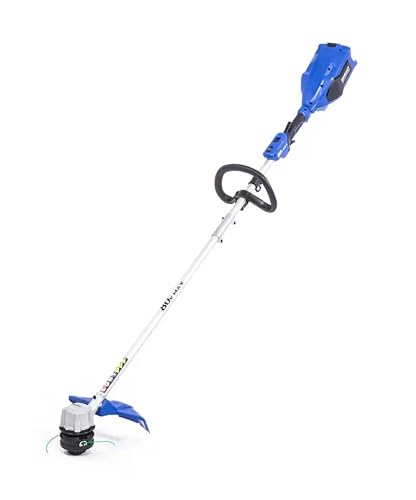
4-Stroke Gas Powered Weed Wacker, 35.88CC Cordless Lawn Edger
4-Stroke Gas Powered Weed Wacker, 35.88CC Cordless Lawn Edgers Lawn Edger Grass Eater Gas Powered Weed Wacker Brush Cutter Blade with Goggles for Agriculture Forestry Landscaping (35.88CC)
Best for: Large lawns and rough edges
A good fit for owners with bigger yards and overgrown borders who want a 4-stroke unit that handles heavier grass and brush along the edge.
Pros
- 35.88cc 4-stroke engine
- Includes eye protection in the package
Cons
- Listing naming is inconsistent, so confirm specs before buying
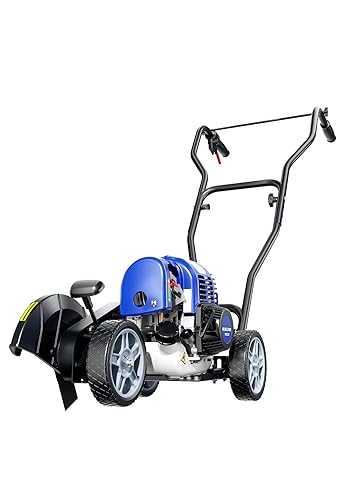
Wild Badger Power 31cc 4-Cycle Gas Walk-Behind Lawn Edger, 9.5-in Blade
31cc 4-cycle walk-behind edger with 9.5-in 2-tooth blade and 5 cutting depths for sidewalks, driveways and lawn borders. Wild Badger Power 31cc 4-Cycle Gas Walk-Behind Lawn Edger, 9.5-in Blade
Best for: Sidewalk and driveway edging
Works well for homeowners who edge hard surfaces often and want to dial in the depth, since the unit offers five cutting positions.
Pros
- Five cutting depths
- 9.5-inch two-tooth blade
Cons
- Smaller engine than the top overall pick
McLane 9 Inch Gas Powered Walk Behind Lawn Edger, Red/Yellow
McLane 9 Inch Gas Powered Walk Behind Lawn Edger with 4 Rubber Wheels, 5.50 Gross Torque Engine and Spring Steel Blade, Powder Coat Finish, Red/Yellow
Best for: Small yards and tight spaces
A compact choice for owners with modest lawns who want a simple walk-behind edger with a spring steel blade and rubber wheels.
Pros
- Four rubber wheels for stable tracking
- Powder-coated frame resists chipping
Cons
- Smaller 9-inch cutting width
2-in-1 Lawn Edger & Trencher with 9″ Metal Blade
2-in-1 Lawn Edger & Trencher with 9" Metal Blade, 3500 RPM Motor, Adjustable Cutting Height & Guide, Lightweight Power Edger Cordless Lawn Edger 20V with 4.0Ah Battery & Charger for Lawn Edge
Best for: Trenching and light landscape work
Fits owners who want one tool for both edging and shallow trenching, with a cordless platform and adjustable cutting height.
Pros
- Doubles as a trencher
- Adjustable cutting height and guide
Cons
- Battery runtime limits long sessions
WORX WG896 Corded Electric Lawn Edger & Trencher, 12 Amp
WORX3-Position Adjustable Cutting Depth, Lawn Edging & Trenching Dual Use, Corded Electric Lawn Edger, 12 Amp 7.5" Trencher for Lawn Landscaping, WG896
Best for: Quiet operation and no fuel
Suits homeowners who prefer electric starts and no engine maintenance, provided an outlet or extension cord is within reach.
Pros
- Three-position cutting depth
- No gasoline or oil to manage
Cons
- Cord limits how far you can reach
Buying Guide
Engine Type and Starting Ease
A 4-stroke engine is the main reason many shoppers look for a gardenline 4 stroke lawn edger. Four-stroke engines generally run cleaner than two-stroke engines and do not require mixing oil into the gasoline, which simplifies refueling. Check the pull-start mechanism and whether the unit has a primer bulb, since easier starting makes a real difference on frequent edging days.
Blade Size and Cutting Depth Range
Blade diameter affects how deep and how wide each pass cuts. Smaller blades around 9 inches suit tight borders along sidewalks and driveways, while larger blades can handle bigger jobs but may be harder to steer. Look for an adjustable cutting depth with several positions so you can match the depth to the edge you are cutting.
Wheel Design and Stability
Walk-behind edgers rely on their wheels to keep a straight line. Units with four rubber wheels tend to track more steadily on uneven ground and reduce the chance of the blade wandering into the lawn. Consider how much you will be edging on slopes or rough terrain, and choose a wheel setup that matches that use.
Power Source and Mobility
Gas models offer freedom from cords and generally handle thicker grass, while electric and battery options are lighter and quieter. If you have no outlet near your yard, a corded electric model may not be practical, and a cordless option depends on how many edges you plan to cut per charge. Think about whether you value power or convenience more for your typical lawn size.
Weight, Storage and Maintenance
Edgers vary in weight, and a lighter unit is easier to lift into a truck or store in a shed. Gas engines require routine care such as oil changes, air filter checks and fuel that has not gone stale, so plan for basic upkeep. A model with a finish that resists rust and parts that are easy to access will be simpler to keep in good condition over several seasons.
FAQ
What does 4-stroke mean for a lawn edger?
A 4-stroke engine completes its intake, compression, power and exhaust cycles with separate strokes of the piston, and it uses a separate oil reservoir. This means you do not need to premix oil with gasoline. Four-stroke engines are commonly favored for quieter, cleaner operation in lawn equipment.
Is a walk-behind edger better than a string trimmer for edging?
A walk-behind edger with a rolling guide wheel and a spinning blade is designed to cut a straight, vertical edge along hard surfaces. A string trimmer can cut edges but tends to be less precise and can leave a ragged line. For clean, consistent borders along walks and driveways, a walk-behind model is usually the better match.
How deep can a lawn edger cut?
Cutting depth depends on the model and its adjustment settings, so check the specifications for each unit before buying. Most adjustable edgers let you set the blade height in several positions to control how much soil and turf is removed. Shallower settings are typically used for routine maintenance, while deeper settings are for re-establishing a clear border.
Do I need to mix oil with gas for a 4-stroke edger?
No, a 4-stroke engine has a separate oil fill and does not require mixing oil into the fuel. You simply add regular gasoline and check the oil level as recommended in the owner’s manual. This is one of the main conveniences of a 4-stroke design. For another angle, check out 5 Best Earthquake Walk-Behind Lawn Edger Options for Clean Edges (2026).
Can an electric or cordless edger handle thick lawn edges?
Electric and cordless edgers work well for light to moderate edging on regular lawn borders. Thick, dense or overgrown edges may be harder to cut and can slow the battery or motor. For heavy-duty edging, a gas-powered model is generally the stronger choice.
How often should I maintain a gas edger?
Maintenance schedules vary by model, but routine checks typically include oil level, air filter condition and spark plug inspection. Sharpening or replacing the blade when it dulls will also improve cut quality. Following the owner’s manual is the best way to keep the unit running reliably.
Conclusion
If you want a gas-powered, low-fuss option for long, straight edges along a large yard, a 4-stroke walk-behind edger with a solid wheel setup and adjustable depth is the best fit. Buyers who prefer a lighter tool for smaller lawns or who have a nearby outlet may find an electric or cordless model more convenient. Matching power source, blade size and wheel design to your own yard will lead to the cleanest results.
Related reading
- Top 5 Four Stroke Lawn Edger Picks Compared for Clean Edges
- Top 3 Atom 2 Stroke Lawn Edger Picks for Clean Edges
- 6 Best 4 Stroke Lawn Edger Models for Clean Edges (2026)
- 4 Best Echo 21.2 Cc Gas 2-stroke Lawn Edger Picks for Clean Edges (2026)
- Worx WG896 Lawn Edger: Setup, Use and Edge-Cutting Tips
- Worx WG896 Electric Lawn Edger: Setup, Use and Edge-Cutting Tips
- Worx WG896 Electric Lawn Edger & Trencher: Setup and Clean-Edge Steps
About Lauren Holland
Lauren Holland is part of our editorial team and reviews and edits our lawn edging & trimming guides, checking product details against manufacturer specifications and owner feedback.