 By Lauren Holland
Updated November 2026
Shopping for a mclane gas powered lawn edger usually means weighing wheel type, engine size and blade width against how much edging you actually do. McLane builds walk-behind gas edgers in several configurations, and a few related models from other brands cover the same job. This list compares seven options on engine output, wheel style, blade size and the kind of edging each one suits. Selection is based on manufacturer specifications, brand reputation and common owner feedback patterns, not on hands-on testing.
Our top picks at a glance
- 1
 TOP CHOICEBest overallMclane 9 Inch Gas Powered Walk Behind Lawn EdgerView on Amazon
- 2
 TOP CHOICEBest for heavy-duty plastic wheelsMcLane 101-5.50GT-7 Lawn EdgerView on Amazon
- 3
 TOP CHOICEBest for budget edgingEARTHQUAKE 41273 Walk-Behind EdgerView on Amazon
- 4
 Best for commercial steel wheelsMcLane 4G-7-S Commercial Grade Lawn EdgerView on Amazon
- 5
 Best for commercial plastic wheelsMcLane 4G-7P Commercial Grade Lawn EdgerView on Amazon
- 6
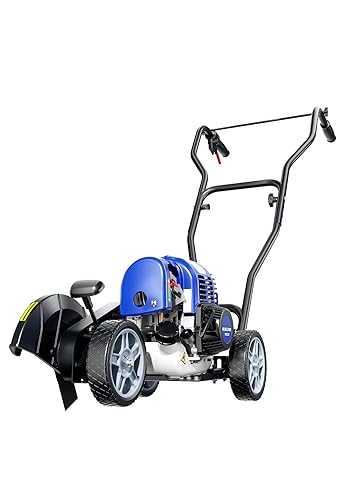 Best for adjustable cutting depth31cc 4-cycle walk-behind edger with 9.5-in 2-tooth blade and 5 cuttingView on Amazon
- 7
 Best for high-volume edgingCommercial-Grade Gas Powered Walk-Behind Lawn Edger Power Trim 308-H SView on Amazon
Our Top Picks
Quick Comparison
| Product | Best for | Key feature |
|---|---|---|
| McLane 9 Inch Walk Behind Edger | Overall edging | 5.50 gross torque, 9-inch blade |
| McLane 101-5.50GT-7 | Heavy-duty plastic wheels | 7-inch wheels, 3.5 HP B&S |
| EARTHQUAKE 41273 | Budget edging | 79cc 4-cycle engine |
| McLane 4G-7-S | Commercial steel wheels | 4 HP Honda OHV, steel wheels |
| McLane 4G-7P | Commercial plastic wheels | 4 HP Honda OHV, plastic wheels |
| Wild Badger Power 31cc | Adjustable cutting depth | 5 cutting depths |
| Power Trim 308-H Series | High-volume edging | Commercial-grade build |
Mclane 9 Inch Gas Powered Walk Behind Lawn Edger
McLane 9 Inch Gas Powered Walk Behind Lawn Edger with 4 Rubber Wheels, 5.50 Gross Torque Engine and Spring Steel Blade, Powder Coat Finish, Red/Yellow
For another angle, check out Top 5 Gas Powered Lawn Mower Picks Compared in 2026.
Best for: Overall edging on residential lawns
This is a good fit for homeowners who want a dependable walk-behind edger for driveways, sidewalks and bed borders without stepping up to commercial equipment. We also found 6 Best Edge Pro Lawn Edgers for Clean Lawn Lines (2026) useful on this point.
Pros
- 5.50 gross torque engine suits regular residential use
- Spring steel blade and four rubber wheels for stable tracking
Cons
- 9-inch blade cuts a narrower path per pass
McLane 101-5.50GT-7 Lawn Edger
5.50 Gross Torque/3.5 HP B&S Engine with 7-Inch Heavy Duty PLASTIC Wheels McLane 101-5.50GT-7 Lawn Edger
Best for: Heavy-duty plastic wheel setups
Suited to owners with larger yards who want a 3.5 HP Briggs & Stratton-powered edger with sturdy 7-inch wheels for longer sessions.
Pros
- 7-inch wheels improve rolling over uneven ground
- Strong engine output for dense turf and root edges
Cons
- Heavier than smaller residential models
EARTHQUAKE 41273 Walk-Behind Edger
EARTHQUAKE 41273 79cc 4-Cycle Walk-Behind Edger, Red/Black
Best for: Budget edging on small to mid-size lawns
A practical choice for homeowners who edge once or twice a month and want a 79cc 4-cycle engine without a commercial-level investment.
Pros
- 79cc 4-cycle engine is quieter and cleaner than two-stroke options
- Simple walk-behind layout is easy to control
Cons
- Less refined adjustment than premium McLane models
McLane 4G-7-S Commercial Grade Lawn Edger
(4) 7" Steel Wheels w/ 4HP OHV Honda Engine McLane 4G-7-S Commercial Grade Lawn Edger
Best for: Commercial use with steel wheels
Designed for landscapers and property managers who edge daily and need a 4 HP Honda OHV engine with steel wheels for durability on hard surfaces.
Pros
- Honda OHV engine is widely known for reliable starts
- Steel wheels resist wear on concrete edges
Cons
- Steel wheels can mark soft or freshly laid surfaces
McLane 4G-7P Commercial Grade Lawn Edger
(4) 7" Plastic Wheels w/ 4HP OHV Honda Engine McLane 4G-7P Commercial Grade Lawn Edger
Best for: Commercial use on finished surfaces
A similar 4 HP Honda OHV build with plastic wheels, better suited to pavers, painted curbs and surfaces that scuff easily.
Pros
- Plastic wheels are gentler on finished hardscape
- Same Honda OHV engine platform as the steel-wheel version
Cons
- Plastic wheels wear faster on rough concrete
Buying Guide
Engine Size and Power
Engine displacement and rated output largely determine how well a gas edger handles tough sod, compacted soil and thick root zones. Smaller engines in the 31cc to 79cc range work well for light maintenance around walks and beds, while larger 4-cycle engines suit heavier commercial or wide-area use. Match the engine to the toughest ground you expect to cut.
Wheel Type: Steel Versus Plastic
Steel wheels tend to hold up better on rough, uneven, or gravelly surfaces and resist wear over long seasons. Plastic wheels are lighter and gentler on finished pavers or concrete, which can help avoid marking surfaces. Consider the terrain you work on most often before choosing.
Blade Width and Cutting Depth
A wider blade cuts a deeper, cleaner trench in a single pass, which saves time on long runs of lawn borders. Adjustable cutting depth is useful when you need shallow passes along sidewalks and deeper ones along garden beds. Check that the depth range covers the edges you plan to maintain.
Build Quality and Intended Use
Commercial-grade edgers are built for frequent, extended operation and generally carry sturdier frames and heavier components. Homeowners with a single yard and a few hours of edging per season may find a lighter residential model more comfortable to handle. Weigh how often you will run the machine against the physical effort involved.
Maneuverability and Handling
Weight, handle design and balance affect how easily you can steer the edger along curves and around obstacles. A well-balanced unit reduces fatigue on longer jobs and makes precise edging easier. If you have many curved borders or tight spaces, prioritize a model that feels stable and responsive in the hand.
FAQ
What is the difference between a walk-behind gas edger and an electric edger?
A walk-behind gas edger uses a small engine to drive a spinning blade, giving more power for thick sod and long runs without a cord. Electric edgers are lighter and quieter but depend on an outlet or battery and generally handle tougher ground less well. Gas models are usually the better choice for larger yards. 6 Best Gas Powered Lawn Edgers for Sale in 2026: Our Picks goes further into this.
Do steel wheels or plastic wheels work better for sidewalks?
Plastic wheels are often preferred on sidewalks and driveways because they are less likely to scratch or chip finished surfaces. Steel wheels can perform well on uneven ground but may leave marks on smooth concrete. Choose based on whether you value surface protection or durability on rough terrain.
How deep should I set the blade when edging?
A shallow cut of about an inch is typically enough to keep grass from creeping into beds and walkways. Set a deeper depth only when the edge has become overgrown or you are re-establishing a border. Adjust in small steps to avoid cutting into the root zone unnecessarily.
How often should I service a gas edger?
Check the oil level before each use and change it according to the engine manufacturer’s schedule. Keep the air filter clean, inspect the blade for damage, and remove grass and debris from the wheels and housing after each job. Regular maintenance helps the engine start reliably and extends the life of the machine.
Is a commercial-grade edger necessary for a home yard?
Most homeowners do not need a commercial-grade unit unless they edge frequently or cover large areas. A residential model is usually lighter, less expensive to buy, and adequate for seasonal use. Consider a commercial model if you expect heavy, repeated use or work on large properties.
Conclusion
For homeowners with a modest yard and light to moderate edging needs, a lighter walk-behind model with plastic wheels and a smaller engine is a practical, easy-to-handle choice. Those with larger lawns, tougher soil, or frequent commercial use should look at higher-output models with steel wheels and a wider blade.
Whichever option fits your yard, match the engine, wheel type and blade width to the work you actually do, and keep the machine well maintained. That combination will give you cleaner edges with less effort season after season.
Related reading
- McLane 9 Inch Walk Behind Gas Powered Lawn Edger Review: Who Is It For?
- Craftsman Gas Powered Lawn Edger: 7 Best Options for Clean Edges (2026)
- 7 Best McLane Gas Lawn Edger Models for Clean Edges (2026)
- 6 Best Gas Powered Lawn Edgers for Clean Lines (2026)
- Troy Bilt TBE515 Gas Lawn Edger: Setup, Use and Clean-Edge Tips
About Lauren Holland
Lauren Holland is part of our editorial team and reviews and edits our lawn edging & trimming guides, checking product details against manufacturer specifications and owner feedback.