 By Lauren Holland
Updated November 2026
Choosing a mclane gas lawn edger comes down to three things: the size of the job, the type of wheels you need on your terrain, and how much engine power you actually want to deal with. The McLane line covers everything from homeowner-friendly 9-inch walk-behind units to commercial-grade machines with Honda engines. The picks below are based on product listings, manufacturer specifications and patterns in owner feedback, not on hands-on testing. Each one is judged on engine type, blade width, wheel construction and how well it suits a particular kind of edging work.
Our top picks at a glance
- 1
 TOP CHOICEBest overallMclane 9 Inch Gas Powered Walk Behind Lawn EdgerView on Amazon
- 2
 TOP CHOICEBest for heavy commercial useMcLane 4G-7-S Commercial Grade Lawn EdgerView on Amazon
- 3
 TOP CHOICEBest for plastic-wheel lawnsMcLane 4G-7P Commercial Grade Lawn EdgerView on Amazon
- 4
 Best for budget edgingEARTHQUAKE 41273 79cc 4-Cycle Walk-Behind EdgerView on Amazon
- 5
 Best for light residential jobsMcLane 101-5.50GT-7 Lawn EdgerView on Amazon
- 6
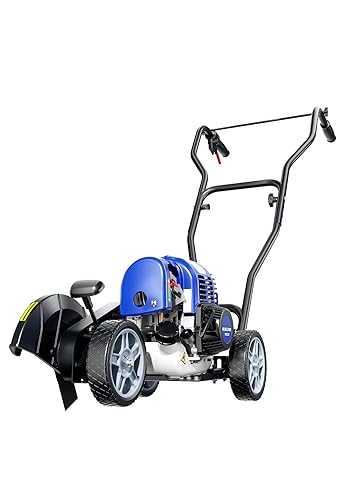 Best for multi-depth borders31cc 4-cycle walk-behind edger with 9.5-in 2-tooth blade and 5 cuttingView on Amazon
- 7
 Best cordless alternativeWORXBattery & Charger Not Included, Brushless Power, 3 Adjustable DeptView on Amazon
Our Top Picks
Quick Comparison
| Product | Best for | Key feature |
|---|---|---|
| Mclane 9 Inch Gas Powered Walk Behind Lawn Edger | Overall homeowner use | 9-inch blade, 4 rubber wheels |
| McLane 101-5.50GT-7 Lawn Edger | Light residential jobs | 5.50 gross torque engine |
| McLane 4G-7-S Commercial Grade Lawn Edger | Heavy commercial use | 4HP Honda, steel wheels |
| EARTHQUAKE 41273 Walk-Behind Edger | Budget edging | 79cc 4-cycle engine |
| McLane 4G-7P Commercial Grade Lawn Edger | Plastic-wheel lawns | 4HP Honda, plastic wheels |
| Wild Badger Power 31cc Walk-Behind Edger | Multi-depth borders | 5 cutting depths |
| WORX WG898.9 Cordless Lawn Edger | Cordless edging | Brushless power, 3 depths |
Mclane 9 Inch Gas Powered Walk Behind Lawn Edger
McLane 9 Inch Gas Powered Walk Behind Lawn Edger with 4 Rubber Wheels, 5.50 Gross Torque Engine and Spring Steel Blade, Powder Coat Finish, Red/Yellow
Best for: Overall homeowner use with a balanced engine and blade size.
This is a practical choice for owners who edge sidewalks, driveways and bed lines a few times a season and want a sturdy spring steel blade.
Pros
- Spring steel blade suited to clean vertical cuts
- Four rubber wheels help it roll over uneven ground
Cons
- Narrower 9-inch cut means more passes on wide walks
McLane 101-5.50GT-7 Lawn Edger
5.50 Gross Torque/3.5 HP B&S Engine with 7-Inch Heavy Duty PLASTIC Wheels McLane 101-5.50GT-7 Lawn Edger
Best for: Light residential jobs with a B&S-powered engine.
Suited to smaller yards where the main task is keeping walkways and beds crisp, without needing commercial durability.
Pros
- Briggs & Stratton engine with 5.50 gross torque rating
- Lightweight plastic wheels are easy to steer
Cons
- Plastic wheels can wear faster on rough or gravelly surfaces
McLane 4G-7-S Commercial Grade Lawn Edger
(4) 7" Steel Wheels w/ 4HP OHV Honda Engine McLane 4G-7-S Commercial Grade Lawn Edger
Best for: Heavy commercial use with a 4HP Honda OHV engine.
Aimed at landscapers and property managers who edge daily and need steel wheels that hold up to constant contact with hard surfaces.
Pros
- Honda OHV engine is widely serviced by dealers
- Four 7-inch steel wheels resist wear on pavement
Cons
- Heavier and more costly to maintain than homeowner models
EARTHQUAKE 41273 79cc 4-Cycle Walk-Behind Edger
EARTHQUAKE 41273 79cc 4-Cycle Walk-Behind Edger, Red/Black
Best for: Budget edging on medium-sized residential lawns.
A reasonable pick for owners who want a four-cycle gas engine without moving into commercial-tier equipment.
Pros
- 79cc four-cycle engine avoids mixing oil and fuel
- Simple layout for routine edging
Cons
- Parts and service support are less established than McLane’s
McLane 4G-7P Commercial Grade Lawn Edger
(4) 7" Plastic Wheels w/ 4HP OHV Honda Engine McLane 4G-7P Commercial Grade Lawn Edger
Best for: Plastic-wheel lawns where turf protection matters.
Owners with soft or freshly seeded lawns often prefer plastic wheels because they are less likely to mark the turf during passes.
Pros
- Same 4HP Honda engine as the steel-wheel version
- Plastic wheels are gentler on sod and new grass
Cons
- Plastic wheels can flex on hard concrete edges
Buying Guide
Engine Type and Power
McLane edgers are offered with a range of engines, from smaller 4-cycle gas units to Honda OHV engines on the commercial models. A more powerful engine helps when you are cutting into compacted soil, thick sod or edges that have been neglected for a long time. For routine maintenance along already-defined borders, a smaller engine is usually enough and is easier to handle.
Blade Width and Cutting Depth
Blade width determines how much ground you clear with each pass and how deep and clean the cut can be. Narrower blades like the 9-inch options suit tight spaces and small yards, while wider blades cover more area but can be harder to control around obstacles. Check whether the edger offers adjustable cutting depths, since this lets you tailor the cut to sidewalks, driveways or lawn borders.
Wheel Construction
Wheels affect stability, traction and how the edger tracks along a hard surface. Steel wheels tend to hold up well on rough or uneven ground and are often favored for commercial use, while plastic wheels are lighter and can be gentler on finished surfaces. Consider the terrain you work on most often when choosing between them.
Intended Use and Duty Cycle
Homeowners with a single property typically need something different from landscapers who edge several properties each week. Commercial-grade models are built for longer run times and heavier use, while lighter walk-behind units are better for occasional seasonal edging. Matching the machine to how often you will run it is one of the most practical ways to avoid overspending or undersizing your tool.
FAQ
What is a mclane gas lawn edger best used for?
A mclane gas lawn edger is mainly used to cut clean, defined borders between grass and driveways, sidewalks, garden beds and other hard edges. Walk-behind models are especially useful for maintaining these lines throughout the growing season. The exact best fit depends on the size of your property and the type of edging you need to do.
Do I need a commercial-grade edger for a home lawn?
Most homeowners do not need a commercial-grade model unless they edge frequently or work on large or rough properties. Lighter walk-behind units are generally sufficient for regular residential upkeep. Commercial machines make more sense when durability and longer run times are priorities.
Are steel wheels or plastic wheels better for edging?
Neither option is universally better, since each suits different conditions. Steel wheels are typically a good match for uneven or rougher terrain, while plastic wheels are lighter and may be preferred on smooth or delicate surfaces. Think about where you will use the edger most often before deciding.
How deep can a walk-behind gas edger cut?
Cutting depth depends on the specific model, its blade and whether it offers adjustable depth settings. Many walk-behind edgers allow you to set the depth to suit the job, from shallow trimming to deeper trenching. Check the product details for the adjustment range of the model you are considering.
Is maintenance different for gas edgers compared with electric ones?
Gas edgers require routine engine care such as oil changes, air filter checks and fuel management, which electric models do not need. In exchange, gas units generally provide more power and run time without a cord or battery limit. Factor these ongoing tasks into your decision if you prefer low-maintenance tools.
Conclusion
If you have a smaller yard and mostly need to maintain existing borders, a lighter walk-behind McLane model with a compact engine and adjustable depth is a practical choice. Homeowners with larger or rougher properties may prefer a model with a stronger engine and sturdier wheels.
Landscapers and anyone edging frequently should look at the commercial-grade McLane models with Honda engines, since their durability and longer run times suit heavier daily use. Match the wheel type and engine power to your terrain and workload, and the right edger will be easier to choose.
Related reading
- McLane 9 Inch Walk Behind Gas Powered Lawn Edger Review: Who Is It For?
- Troy Bilt TBE515 Gas Lawn Edger: Setup, Use and Clean-Edge Tips
- Gas Lawn Edger Ratings: How to Read Them and Pick the Right Model
- Echo PE 225 Gas Lawn Edger: Setup, Use and Edge-Cutting Tips
About Lauren Holland
Lauren Holland is part of our editorial team and reviews and edits our lawn edging & trimming guides, checking product details against manufacturer specifications and owner feedback.


