 By Lauren Holland
Updated November 2026
Choosing a yard machines gas lawn edger comes down to a few practical questions: how big your lawn is, how much curb and sidewalk you need to cut, and whether you want a walk-behind gas model or a lighter electric or manual option. This guide compares seven edgers across engine type, blade width, cutting depth control and ease of handling. Each pick is matched to a specific type of user so you can see where it fits.
Our top picks at a glance
- 1
 TOP CHOICEBest overallEARTHQUAKE 41273 79cc 4-Cycle Walk-Behind Edger, Red/BlackView on Amazon
- 2
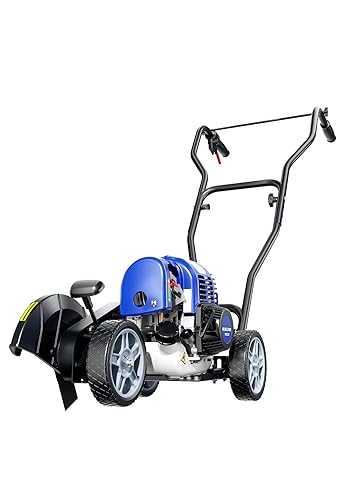 TOP CHOICEBest for sidewalk workWild Badger Power31cc 4-Cycle Walk-Behind EdgerView on Amazon
- 3
 TOP CHOICEBest for small yardsMclane 9 Inch Gas Powered Walk Behind Lawn EdgerView on Amazon
- 4
 Best for light-duty trimmingTwo Blade Heads with a Roller EdgerView on Amazon
- 5
 Best corded electric optionWORX 3-Position Adjustable Lawn EdgerView on Amazon
- 6
 Best 2-in-1 electric pickBLACK+DECKER Lawn Edger Trencher 2 in 1View on Amazon
- 7
 Best budget pickManual Edger Lawn Tool, 75 Inch Wheel Rotary EdgerView on Amazon
Our Top Picks
The table below summarizes how the seven edgers differ. The detailed notes follow.
| Product | Best for | Key feature |
|---|---|---|
| EARTHQUAKE 41273 79cc Walk-Behind Edger | Large yards with long edge runs | 79cc 4-cycle gas engine |
| Wild Badger Power31cc Walk-Behind Edger | Sidewalk and driveway edging | 9.5-inch 2-tooth blade, 5 cutting depths |
| Mclane 9 Inch Gas Powered Walk Behind Edger | Small to mid-size lawns | Spring-assisted operation, 4 rubber wheels |
| Two Blade Heads with a Roller Edger | Light trimming around beds | Dual blade heads, grass baffle |
| WORX 3-Position Corded Edger | Users who want no gas or fuel | Adjustable depth, edging and trenching |
| BLACK+DECKER 2-in-1 Edger Trencher | Edging plus shallow trenching | 12-amp motor, 7.5-inch blade |
| Manual Rotary Edger Lawn Tool | Tight budgets and small patches | Extra-wide wheel, no fuel or cord |
EARTHQUAKE 41273 79cc 4-Cycle Walk-Behind Edger, Red/Black
EARTHQUAKE 41273 79cc 4-Cycle Walk-Behind Edger, Red/Black
Best for: Large yards with long runs of walk and curb.
This is a heavier-duty gas model for owners who edge frequently and want engine power to match. It suits people who would otherwise spend hours on a manual tool.
Key specs:
- 79cc 4-cycle gas engine
- Walk-behind design
- Red and black finish
Pros:
- Strong engine output
- Stable on long runs
- Four-cycle, no oil mixing
Cons:
- Heavier than electric options
- Needs fuel and maintenance
Bottom line: A strong fit for large properties where power matters more than weight.
Wild Badger Power31cc 4-Cycle Walk-Behind Edger
31cc 4-cycle walk-behind edger with 9.5-in 2-tooth blade and 5 cutting depths for sidewalks, driveways and lawn borders. Wild Badger Power 31cc 4-Cycle Gas Walk-Behind Lawn Edger, 9.5-in Blade
Best for: Sidewalk and driveway edging.
The 9.5-inch two-tooth blade and five cutting depths make this a practical choice for owners who need to adjust the cut across different surfaces.
Key specs:
- 31cc 4-cycle engine
- 9.5-inch 2-tooth blade
- 5 cutting depth settings
Pros:
- Multiple depth settings
- Wide blade for clean walks
- Four-cycle engine
Cons:
- Smaller engine than larger models
- Blade change takes some care
Bottom line: Best for owners who edge hard surfaces often.
Mclane 9 Inch Gas Powered Walk Behind Lawn Edger
McLane 9 Inch Gas Powered Walk Behind Lawn Edger with 4 Rubber Wheels, 5.50 Gross Torque Engine and Spring Steel Blade, Powder Coat Finish, Red/Yellow
Best for: Small to mid-size lawns.
A compact gas edger with four rubber wheels and a spring-assisted design, suited to owners who want a manageable machine for regular edging.
Key specs:
- 9-inch cutting width
- Four rubber wheels
- Spring-assisted operation
Pros:
- Easy to maneuver
- Rubber wheels protect lawn
- Compact footprint
Cons:
- Narrower cut than larger edgers
- Limited for long runs
Bottom line: A sensible choice for smaller properties.
Two Blade Heads with a Roller Edger
Two Blade Heads with a Roller, 8500r/Min High Speed, Easy to Carry and Store, Grass Baffle Design, 5.74ft Length 43CC 2-Stroke Cordless Gas Powered Lawn Edger, Weed Wacker for Garden Yard
Best for: Light trimming around beds and borders.
Dual blade heads and a roller give this tool a lighter feel, suited to tidy-up work rather than heavy curb cutting.
Key specs:
- Two interchangeable blade heads
- Roller guide
- Grass baffle design
Pros:
- Lightweight and easy to store
- Roller helps keep a straight line
- Baffle reduces flying debris
Cons:
- Not built for heavy edging
- Specs vary by listing
Bottom line: Good for maintenance edging around garden beds.
WORX 3-Position Adjustable Lawn Edger
WORX3-Position Adjustable Cutting Depth, Lawn Edging & Trenching Dual Use, Corded Electric Lawn Edger, 12 Amp 7.5" Trencher for Lawn Landscaping, WG896
Best for: Owners who want no fuel and no engine maintenance.
This corded electric edger offers three cutting positions and works for both edging and trenching, so it covers more than one task.
Key specs:
- 12-amp corded motor
- 3-position adjustable depth
- Edging and trenching use
Pros:
- No gas or fuel needed
- Quiet compared with gas
- Adjustable cutting depth
Cons:
- Limited by cord reach
- Less power than gas models
Bottom line: Suited to smaller yards with an outlet nearby.
BLACK+DECKER Lawn Edger Trencher 2 in 1
BLACK+DECKER Lawn Edger Trencher 2 in 1, 12 Amp 7.5 in. Electric Edger Lawn Tool for Landscaping and Trench Digger, 3 Height Settings, Corded (LE760FF)
Best for: Edging plus shallow trenching in one tool.
A 12-amp electric unit with a 7.5-inch blade that switches between edging and trenching, useful for running cable or laying landscape border.
Key specs:
- 12-amp motor
- 7.5-inch blade
- 2-in-1 edging and trenching
Pros:
- Two tasks in one tool
- No fuel required
- Simple to operate
Cons:
- Corded operation limits range
- Shallower trench than dedicated trenchers
Bottom line: A versatile choice for light landscape projects.
Manual Edger Lawn Tool, 75 Inch Wheel Rotary Edger
Manual Edger Lawn Tool, 75 Inch Wheel Rotary Edger for Lawn with Extra-Wide Wheel, Grass Edge Trimmer with Adjustable Handle, Ideal Hand Edging Tool for Sidewalk, Driveways and Landscaping
Best for: Tight budgets and small patches.
A manual rotary edger with an extra-wide wheel for stability. It needs no fuel or power and suits quick touch-ups.
Key specs:
- Rotary wheel design
- Extra-wide wheel
- No fuel or power required
Pros:
- Very low maintenance
- Works anywhere
- Good for small beds
Cons:
- Requires physical effort
- Slow on large lawns
Bottom line: A practical backup for small, detailed jobs.
Buying Guide
Engine type and power
Gas edgers cut faster and handle thick edges, while electric and manual models are lighter and need less upkeep. Match the engine to the length of your edges. Long curb runs benefit from gas, while small beds are easier with electric or manual tools.
Good picks for this: EARTHQUAKE 41273 and Mclane 9 Inch Gas Powered Edger.
Blade width and cutting depth
A wider blade cuts a broader channel and suits sidewalks, while a narrower one gives finer control around plants. Check whether the depth adjusts in steps or continuously, since stepped settings make repeat cuts more consistent.
Good picks for this: Wild Badger Power31cc and WORX 3-Position Edger.
Weight and handling
Walk-behind gas units are heavier and need more arm strength. Look at the overall weight and how the handle sits, since you will push the tool for the full length of each run.
Good picks for this: Two Blade Heads with a Roller Edger and Manual Rotary Edger.
Power source and access
Corded electric models depend on an outlet within reach of your work area, so measure the cord length against your yard. Gas models remove that limit but need fuel, oil and periodic maintenance.
Good picks for this: BLACK+DECKER 2 in 1 and WORX 3-Position Edger.
Maintenance and durability
Keep blades sharp and clear debris from the cutting head after each use. For gas models, follow the manufacturer’s schedule for air filter and spark plug service. Storing the tool dry prevents rust and fuel problems over the off-season.
Good picks for this: EARTHQUAKE 41273 and Manual Rotary Edger.
FAQ
Is a gas edger better than an electric one?
Gas edgers offer more power and no cord, which helps on large properties. Electric models are quieter, lighter and need less maintenance. The right choice depends on yard size and how often you edge.
How often should I edge my lawn?
Many owners edge every two to four weeks during the growing season, though fast-growing grass may need more frequent passes. Adjust the schedule based on how quickly the edges fill back in.
What cutting depth is best for sidewalks?
A shallow depth keeps the cut clean without digging into soil. Start with a low setting and increase only if the edge still shows grass. Test on a short section first.
Do I need to mix oil with fuel for a gas edger?
It depends on the engine. Four-cycle engines use separate oil and do not require mixing, while two-cycle engines need oil mixed with fuel. Always check the owner’s manual for the correct fuel and oil type.
Should I consult a professional before buying?
If you have a large or uneven property, or if you plan to trench near utility lines, speak with a landscaping professional or a local utility locator first. They can advise on safe depths and equipment.
Conclusion
For large yards, the EARTHQUAKE 41273 offers the most engine power. The Wild Badger Power31cc suits sidewalk work, and the Mclane 9 Inch fits smaller lawns. Owners who prefer no fuel should look at the WORX or BLACK+DECKER corded models, while the manual rotary edger covers small budgets and detailed touch-ups.
Sources
- Consumer safety guidance for outdoor power equipment and power tool use (cpsc.gov)
- Information on small engine efficiency and gas-powered yard equipment (energy.gov)
Before you buy: helpful guides
Related reading
- 6 Best Yard Machine Lawn Edger Options for Clean Lines (2026)
- McLane 9 Inch Walk Behind Gas Powered Lawn Edger Review: Who Is It For?
About Lauren Holland
Lauren Holland is part of our editorial team and reviews and edits our lawn edging & trimming guides, checking product details against manufacturer specifications and owner feedback.