 By Lauren Holland
Updated November 2026
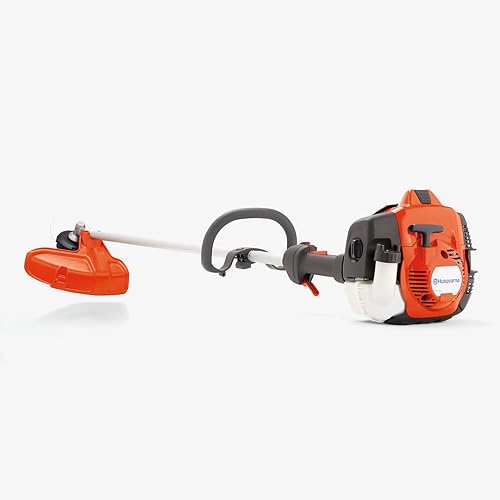
A homelite 13 in 4 amp straight electric string trimmer is a light, corded tool built for trimming grass along fences, walkways, and garden beds. In this guide you will learn how to get the unit ready to run, load the line correctly, use a technique that leaves crisp edges, and keep the trimmer working well through the season. Think of it as a practical walkthrough for getting the most out of a basic, straight-shaft electric trimmer.
What the Homelite 13 in 4 Amp Straight Electric String Trimmer Is Built For
A straight-shaft electric trimmer with a 13-inch cutting path and a 4-amp motor suits small to medium yards, patios, and lawn borders. The cutting width is narrower than a gas model, so the tool works best on light to moderate growth: lawn grass, weeds along edges, and grass around posts and raised beds. Corded electric units also avoid fuel mixing and cold-start issues, which makes them a sensible choice for occasional use.
Shopping for one? See our guide: 7 Best Milwaukee Electric String Trimmers for Clean Edges (2026).
Manufacturers generally specify that a 4-amp motor is best for lighter trimming jobs rather than dense brush or thick, woody stems. If your yard is mostly tall, tough weeds or heavy overgrowth, you may find a gas unit or a higher-amp electric model a better fit. For a broader comparison, see String Trimmer Gas vs Electric: Which Is Right for Your Yard? (2026).
Before You Start: Safety and Tools You Need
Electric trimmers spin fast enough to throw debris, and the cord adds a tripping and cutting hazard. Take these precautions before every session:
- Wear safety glasses and sturdy closed-toe shoes or boots.
- Keep the cord behind you and away from the cutting head.
- Unplug the trimmer before changing line, clearing jams, or adjusting the head.
- Keep children and pets well clear of the work area.
- Avoid wet grass and standing water to reduce shock risk.
Gather these items before you begin:
- Replacement trimmer line in the diameter specified in your owner’s manual (commonly around 0.065 to 0.080 inch for light electric units)
- A flat-blade screwdriver or the tool supplied with the trimmer
- A clean, dry work surface
- A dustpan or tarp to catch clippings
If you are unsure of the correct line diameter or head type, check the manual or the label on the trimmer housing rather than guessing.
Step-by-Step: Loading the String Correctly
Most electric trimmers use a bump-feed or tap-to-advance spool. The exact method varies by model, so follow the markings on your head and the manual, but the general sequence is consistent.
- Unplug the unit and lay it on a flat surface.
- Press the release tabs on the spool cover and remove the cover and spring.
- Take the old spool out. Note the direction of any arrows or the way the line was wound.
- Cut a length of new line. Most spools call for two pieces of roughly equal length, typically 15 to 20 feet total depending on the spool design, though you should confirm the figure in your manual.
- Find the center of the line and insert it into the eyelet or slot on the spool, following the arrow direction.
- Wind the line evenly around the spool in the direction marked, keeping tension firm but not tight.
- Leave the two free ends extended through the holes or slots in the spool, as directed.
- Reinstall the spring and cover, then pull the line ends through the exit holes until they are equal in length.
- Test by plugging in briefly with the head pointed away from you and tapping the head on the ground to feed the line.
Checking Line Feed and Tension
After loading, run the trimmer for a few seconds with the head free of grass. The line should extend to its normal cutting length. If it does not advance when you tap the head, the spool may be wound unevenly or the line may be caught in the housing. Reopen the cover and rewind more evenly rather than forcing it.
Setting Up the Head and Cord
A clean trim depends on a balanced setup. Check these items before you start:
| Item | What to check | Why it matters |
|---|---|---|
| Cutting line length | Even on both sides, matching the manual’s recommended length | Uneven line causes vibration and rough edges |
| Guard | Secure, positioned to direct debris away from you | Protects you and helps guide the cut |
| Cord | No nicks, cracks, or exposed wire | Reduces shock and short-circuit risk |
| Extension cord (if used) | Rated for outdoor use and adequate gauge for the amp draw | Prevents overheating and voltage drop |
| Head and spool | Snug, no cracks, turns freely | Keeps line feeding smoothly |
If you use an extension cord, a heavier gauge reduces voltage drop over longer runs. Keep the cord routed so you never walk through or over it while trimming.
Technique for Clean Edges
The tip of the line does the cutting, not the shaft or the head. Holding the trimmer so the line tip just touches the grass produces the cleanest result.
Angle and Height
Hold the shaft at a slight angle so the head sits close to the edge you are trimming, with the tip of the line sweeping across the grass. Keep the head roughly parallel to the ground for flat edges along walks or driveways. For a vertical edge, such as around a fence post, tilt the head so the line moves along the surface rather than digging into it.
Moving Along the Edge
- Work at a steady walking pace. Rushing leaves uneven strips.
- Make short passes with a light sweep rather than forcing the head into thick grass.
- Overlap each pass slightly so no tall blades are left behind.
- Avoid pressing the line against hard surfaces for long periods, which wears it quickly.
Working Around Obstacles
Around trees, posts, and planters, sweep the line in a shallow arc and keep the guard between your body and the obstacle. Never swing the tool at bark or wood, since this can nick the bark and damage the line.
Maintenance Between Uses
A few minutes of care after each session keeps the trimmer running well:
- Unplug the unit and wipe down the housing and motor vents with a dry cloth.
- Clear grass and debris from the head, guard, and vents.
- Check the line length and replace worn or short line.
- Inspect the cord for damage and store it loosely coiled, not wrapped tightly around the handle.
- Store the trimmer indoors in a dry location away from moisture.
Owners often report that the most frequent issue with straight electric trimmers is a line that does not feed, usually because the spool was wound unevenly or the line is too thick. Matching the manufacturer’s specified diameter and winding evenly solves most of these problems.
Common Mistakes
- Using line that is too thick. This strains the motor and can prevent the head from advancing.
- Cutting into the grass with the shaft. Keep the line tip, not the housing, in contact with the blades.
- Forcing the head into dense growth. A 4-amp motor slows under load, leaving ragged ends.
- Ignoring cord condition. Nicked cords are a shock hazard, especially in damp grass.
- Trimming in wet conditions. Wet grass clogs the head and increases electrical risk.
- Letting the head run too long at one spot. This overheats the motor and wears the line quickly.
Tips for Better Results
- Trim regularly, when grass is short, rather than waiting for it to get tall.
- Keep a spare spool loaded so you can switch quickly when the line runs short.
- Use a consistent walking pattern to keep edges uniform.
- Clean the head periodically so grass does not wrap around the spool housing.
- If you also use a lawn edger, pair it with the trimmer for clean lines along hard surfaces. For more on that choice, see Lawn Edger vs String Trimmer: Which Gives Cleaner Lawn Edges?.
Recommended gear
Several accessories make it easier to keep this trimmer working well. Choose parts that match your model’s specifications.
- Replacement trimmer line in the correct diameter. Using the diameter your manual calls for prevents motor strain and feed problems. View on Amazon
- Replacement spool for the trimmer head. A spare spool lets you swap quickly when line runs short or the spool cracks. View on Amazon
- Safety glasses. Flying debris is the most common hazard during trimming, and eye protection is a simple safeguard. View on Amazon
- Outdoor-rated extension cord. A heavier-gauge cord reduces voltage drop on longer runs and must be rated for outdoor use. View on Amazon
FAQ
What line diameter should I use in a homelite 13 in 4 amp straight electric string trimmer?
Check the owner’s manual or the label on the housing for the recommended diameter. Using line thicker than specified can strain the motor and prevent the head from feeding properly.
How much line does the spool hold?
Capacity varies by spool design. Confirm the length and number of line pieces in your manual before loading, since the spool may be designed for a specific amount.
Why won’t the line feed when I tap the head?
The most common causes are uneven winding, line wedged in the housing, or line that is too thick. Reopen the spool, rewind evenly in the marked direction, and confirm the diameter matches the specification.
Can I use this trimmer for thick brush or woody stems?
A 4-amp straight electric unit is generally intended for lighter trimming. For dense brush or woody stems, a gas trimmer or a higher-powered tool is usually a better match.
Should I use an extension cord?
Yes, if the trimmer cord does not reach your work area, but use an outdoor-rated cord of adequate gauge. Keep the cord routed so you never cut it or trip over it.
How often should I replace the line?
Replace it whenever it becomes short, frayed, or too worn to feed properly. Frequent heavy use against hard surfaces will shorten the life of the line.
Is it safe to use the trimmer in wet grass?
It is best avoided. Wet grass clogs the head and increases electrical shock risk. If you must trim after rain, wait until the grass and surface are fully dry. If you have concerns about electrical safety, consult a qualified electrician or the manufacturer.
Conclusion
A homelite 13 in 4 amp straight electric string trimmer delivers clean edges when it is loaded with the correct line, held at the right angle, and kept clean between sessions. Work at a steady pace, keep the cord out of the cutting path, and replace worn line before it causes feed problems. With these habits, the trimmer will handle routine edging and light trimming reliably through the season.
Ready to choose one?
Related reading
About Lauren Holland
Lauren Holland is part of our editorial team and reviews and edits our lawn edging & trimming guides, checking product details against manufacturer specifications and owner feedback.