 By Lauren Holland
Updated November 2026
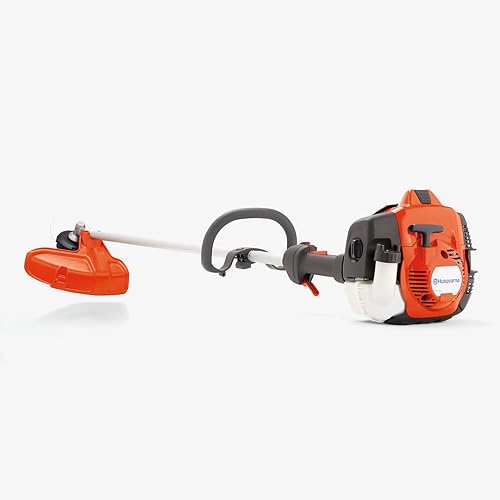
A 2 cycle vs 4 cycle string trimmer choice comes down to how you value weight, upkeep and power. Two-stroke (2 cycle) trimmers are lighter and cheaper to buy, which suits small to medium yards and trimming around edges. Four-stroke (4 cycle) trimmers run more like a small lawnmower engine, with separate oil and fuel, and suit larger properties and frequent heavy use.
| Criterion | 2 Cycle Trimmer | 4 Cycle Trimmer |
|---|---|---|
| Typical weight | Lighter, easier to hold for long edging sessions | Heavier, with a larger engine block |
| Fuel mixing | Requires oil mixed with gasoline | Gasoline only, with a separate oil reservoir |
| Maintenance | Air filter and spark plug checks; fuel mix matters | Oil changes and valve adjustments at intervals |
| Power delivery | Strong, quick throttle response | Smoother torque for thick weeds |
| Emissions | Higher; many models fall under newer standards | Lower exhaust output per unit of work |
| Best for | Edging, trimming, mid-size yards | Large properties, brush and heavy daily use |
Weight and Handling
Weight is where the 2 cycle design usually wins. Most two-stroke trimmers land noticeably lighter than their four-stroke counterparts, which matters when you spend an hour working along fence lines, beds and sidewalk edges. Less weight means less fatigue in your arms and shoulders and steadier control for clean lines. If you have a smaller yard or limited upper-body strength, the lighter 2 cycle is the easier tool to live with. Winner: 2 cycle.
Fuel and Oil Maintenance
The 4 cycle engine is simpler at the pump. You fill the gas tank with plain gasoline and keep a separate oil reservoir topped up. The 2 cycle engine needs a premixed fuel, typically gasoline blended with two-stroke oil at the ratio the manufacturer specifies. Mixing errors are the most common source of trouble, so measure carefully and mix fresh fuel. Manufacturers generally advise against storing mixed fuel for long periods. Winner: 4 cycle, for convenience.
Power and Cutting Performance
Both designs cut grass and light brush well, but the feel differs. Two-stroke engines deliver strong power at higher RPM, so they respond quickly to throttle input. Four-stroke engines produce smoother torque, which helps when the head bogs down in dense weeds or woody stems. For routine edging, the 2 cycle is plenty. For thick overgrowth, a four-stroke is the more forgiving choice. Winner: depends on the job, with 4 cycle slightly ahead on heavy cutting.
Emissions and Noise
Four-stroke engines generally produce lower exhaust emissions and run a little quieter, which can matter in neighborhoods with strict noise rules or for users sensitive to fumes. Two-stroke engines burn oil with the fuel, so their exhaust carries more visible smoke and odor. Newer two-stroke models have improved considerably, but the four-stroke still holds the edge here. Winner: 4 cycle.
Which Should You Choose?
- Choose a 2 cycle trimmer if you have a small to mid-size yard, edge often, and want the lightest tool for long sessions.
- Choose a 4 cycle trimmer if you want simpler fueling, lower emissions, and smoother power for thick weeds.
- Choose a 2 cycle if you are comfortable mixing fuel and keeping a regular maintenance log.
- Choose a 4 cycle if you run the tool frequently and prefer fewer fuel-mix steps.
- Choose a 4 cycle if you cut dense brush or work on a large property.
Popular options in each category include the Echo SRM-225 (2 cycle) and the Honda UMK435 (4 cycle, from the brush-cutter line). Check each model’s manual before buying, because specs vary by version.
If you are still deciding between gas and battery power, read String Trimmer Gas vs Electric: Which Is Right for Your Yard? (2026) for a broader comparison. For edging-specific tools, Lawn Edger vs String Trimmer: Which Gives Cleaner Lawn Edges? covers the trade-offs in detail.
FAQ
Is a 2 cycle trimmer harder to maintain than a 4 cycle?
It requires more attention to fuel mixing and fresh gasoline. Regular air filter and spark plug checks keep it running reliably. Following the manufacturer’s mix ratio prevents most problems.
Can I use regular gas in a 4 cycle trimmer?
Yes, use regular unleaded gasoline as the manual specifies, and keep the separate oil level correct. Check the manual for any ethanol limits.
Which engine lasts longer?
Both can last many years with proper care. Four-stroke engines have more moving parts, but they often run at lower stress. Longevity depends mostly on maintenance habits.
Is a 2 cycle trimmer better for edging?
Often yes, because its lighter weight makes controlled edging easier over long periods. The power is more than enough for grass and light weeds.
Do 4 cycle trimmers cost more to run?
They can use slightly less oil overall since oil is not mixed with fuel, but actual running costs depend on use and local fuel options. Consult your dealer or the manual for specifics.
Conclusion
For most homeowners with small to mid-size yards who edge regularly, the 2 cycle trimmer offers the best balance of light weight and quick response. If you value simpler fueling, cleaner exhaust and smoother power for heavy weeds, a 4 cycle trimmer is the better fit. Match the engine to your yard size, your tolerance for maintenance, and the toughest job you expect to face.
Before you buy: helpful guides
Related reading
- Ryobi String Trimmer 2 Cycle: 3 Best Picks Compared (2026)
- Echo String Trimmer vs Stihl (2026): Which Is Better for Your Yard?
- 7 Best Hyper Tough 26cc 2 Cycle Gas String Trimmers Compared
About Lauren Holland
Lauren Holland is part of our editorial team and reviews and edits our lawn edging & trimming guides, checking product details against manufacturer specifications and owner feedback.