 By Lauren Holland
Updated November 2026
When you compare a lawn edger electric vs gas, the choice comes down to your yard size, your outlet access and how much maintenance you want to handle. Electric edgers are lighter, quieter and ready to use with a flip of a switch, which suits small to medium lawns near an outdoor outlet. Gas edgers deliver more power and run freely across large or unfenced properties, making them the stronger pick for big, rough or heavily edged yards.
Power and Cutting Performance
Gas edgers use a two-stroke or four-stroke engine that spins the blade at high speed, so they cut through dense sod, thick roots and hard-packed soil with less stalling. Manufacturers of gas models typically specify engine displacements in the range of roughly 25 to 50 cc, which gives them the muscle for tough, long-neglected edges. Electric edgers draw power from a corded outlet or a battery and generally handle softer turf and regular maintenance well. Winner: gas, especially for thick grass and heavy root zones.
Portability and Mobility
Electric models have no fuel to carry and no engine to start, so you can grab one from the garage and begin edging in seconds. Cordless versions remove the extension cord hassle, though you need to keep the battery charged. Gas edgers are heavier and need a fuel can nearby, but they never tie you to an outlet, so they work well on large properties. Winner: electric for convenience and quick jobs, particularly on smaller lawns.
Maintenance and Running Costs
Electric edgers require little beyond keeping the blade sharp, cleaning debris from the housing and checking cord or battery condition. Gas edgers need regular upkeep: fresh fuel, air filter cleaning, spark plug checks and oil changes according to the manufacturer’s schedule. Stored fuel can degrade over time, so many owners use ethanol-free gasoline or fuel stabilizer. Winner: electric, since it has far fewer maintenance tasks.
Noise and Emissions
Electric edgers run noticeably quieter than gas engines and produce no exhaust, which makes them easier to use early in the morning or near neighbors. Gas models are louder and emit exhaust fumes, so it is best to operate them outdoors with good airflow and away from open windows. Winner: electric for noise and clean operation.
Edge Quality and Precision
Both types can produce clean, vertical edges along walks, driveways and garden beds. Electric edgers with a light, steady blade are easy to control for precise lines, and owners often find them forgiving for beginners. Gas edgers offer more torque, which keeps the blade from bogging down in thick turf, but they demand a steadier hand to avoid cutting too deep. Winner: tie, with electric favored for fine detail and gas favored for tough edges.
Which Should You Choose?
- Choose an electric lawn edger if your yard is small to medium, you have a nearby outdoor outlet, and you want low noise and minimal upkeep.
- Choose a gas lawn edger if you have a large property, thick or established sod, or no convenient power source nearby.
- Choose electric if you edge often and want to skip fuel and engine maintenance entirely.
- Choose gas if you plan to tackle neglected edges or heavy root systems in one pass.
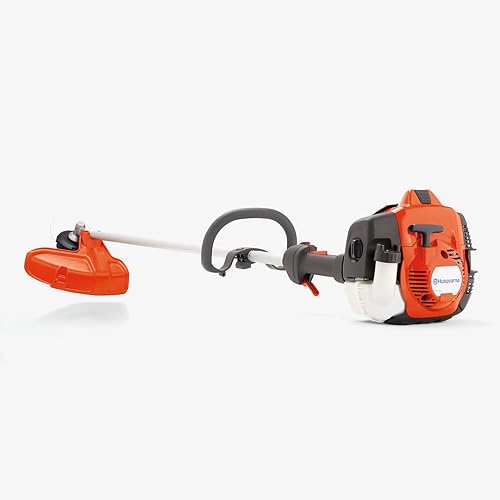
Electric option to consider: View on Amazon. For a gas option, look at the View on Amazon.
For setup and technique, read Worx WG896 Electric Lawn Edger: Setup, Use and Edge-Cutting Tips. If you are weighing a gas model, Troy Bilt TBE515 Gas Lawn Edger: Setup, Use and Clean-Edge Tips covers the basics. Compare electric models further in Top 7 Electric Lawn Edger Cordless Picks for Clean Lines (2026).
FAQ
Is an electric lawn edger as good as a gas one?
For small to medium lawns with soft turf, an electric edger performs very well and gives clean lines. Gas models generally have more power for thick sod and heavy roots.
Which lasts longer, electric or gas?
Electric edgers have fewer moving parts and no engine to service, so owners often report fewer repairs. Gas engines can last many years with regular oil changes, fresh fuel and air filter care.
Do gas edgers need special fuel?
Most manufacturers recommend fresh unleaded gasoline, and many specify ethanol-free fuel or a stabilizer for storage. Check your owner’s manual for the exact mix requirements.
Can I use an electric edger on wet grass?
Manufacturers generally advise against using corded or battery electric tools in wet conditions. Wait until the lawn is dry and keep cords clear of the blade path.
Is a gas edger too loud for a residential neighborhood?
Gas edgers are louder than electric models, so many people use them mid-morning or early afternoon to respect neighbors. Check local noise ordinances if you have questions.
Conclusion
In the lawn edger electric vs gas comparison, electric wins on convenience, quiet operation and low maintenance, making it the right pick for most small and medium yards. Gas wins on raw power and freedom from outlets, so it suits large, neglected or heavily rooted lawns. Match the tool to your yard and your routine, and you will get the clean, crisp edges you want.
Before you buy: helpful guides
About Lauren Holland
Lauren Holland is part of our editorial team and reviews and edits our lawn edging & trimming guides, checking product details against manufacturer specifications and owner feedback.